
Renting a car is an option worth considering if you plan to explore rural India where public transport can be both inconvenient and infrequent. A rental car can also be an economic alternative when traveling in groups or can make traveling with a lot of luggage easier.
Shalini Cabs is proudly the largest local and outstation car rental service provider in India. It has been offering exceptional Intercity car rental services for a one-way, round-trip, local city, airport transfers, taxi packages, and holiday packages usage. At present services are available in Mumbai M.M.R.D.A region. In future Pune, Nashik, Aurangabad, Vapi and more than 100+ major Indian cities including Delhi NCR, Bangalore, Chennai, Hyderabad, Kolkata, Jaipur, Jammu and more.
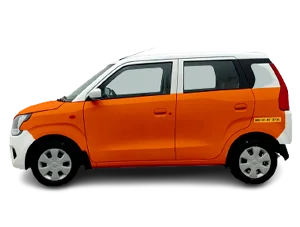
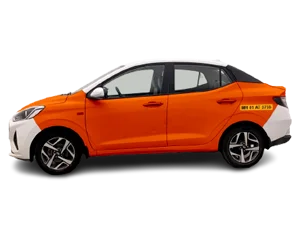
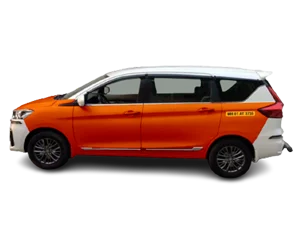
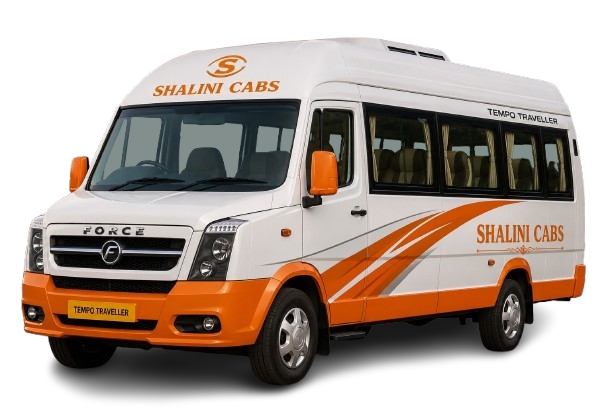
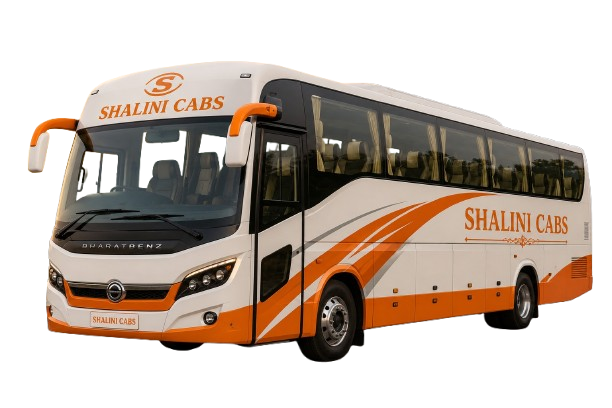
Zero waiting time is the strategy we follow for decades, which makes us reliable and responsible towards our customers.
Get a Delightful ride with the trusted and experienced drivers who are familiar with most of the routes.
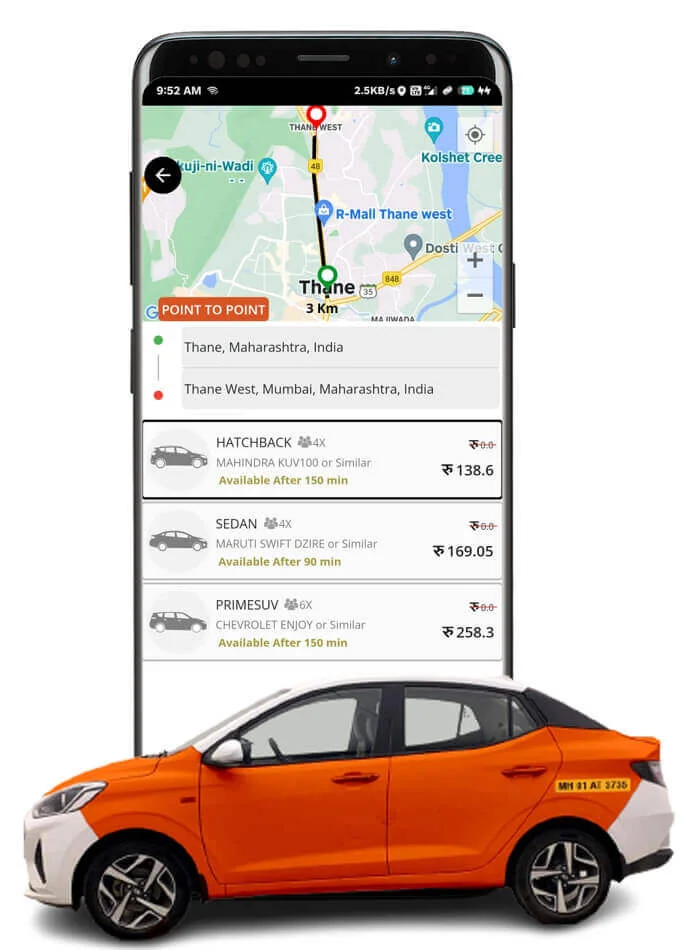
Speeds up the process of booking yourself a ride with ease and without compromising on your valuable seconds.
Stepping into a Shalini Cabs taxi cab, you discover our vehicles themselves to be clean, tidy, and organized.
Shalini Cabs offers car rental, outstation car rental, sightseeing car rental packages, holiday packages, group tours, tour by cabs, hotel booking, and bus booking services. This cab service specialises in airport transfers, with pickup available from anywhere in India. They have large and well-maintained fleet of cabs, and pickup service is available round the clock. Options vary in terms of availability of air conditioning, number of seats in vehicle, and type of cab. User can choose option that suits their budget and preferences.
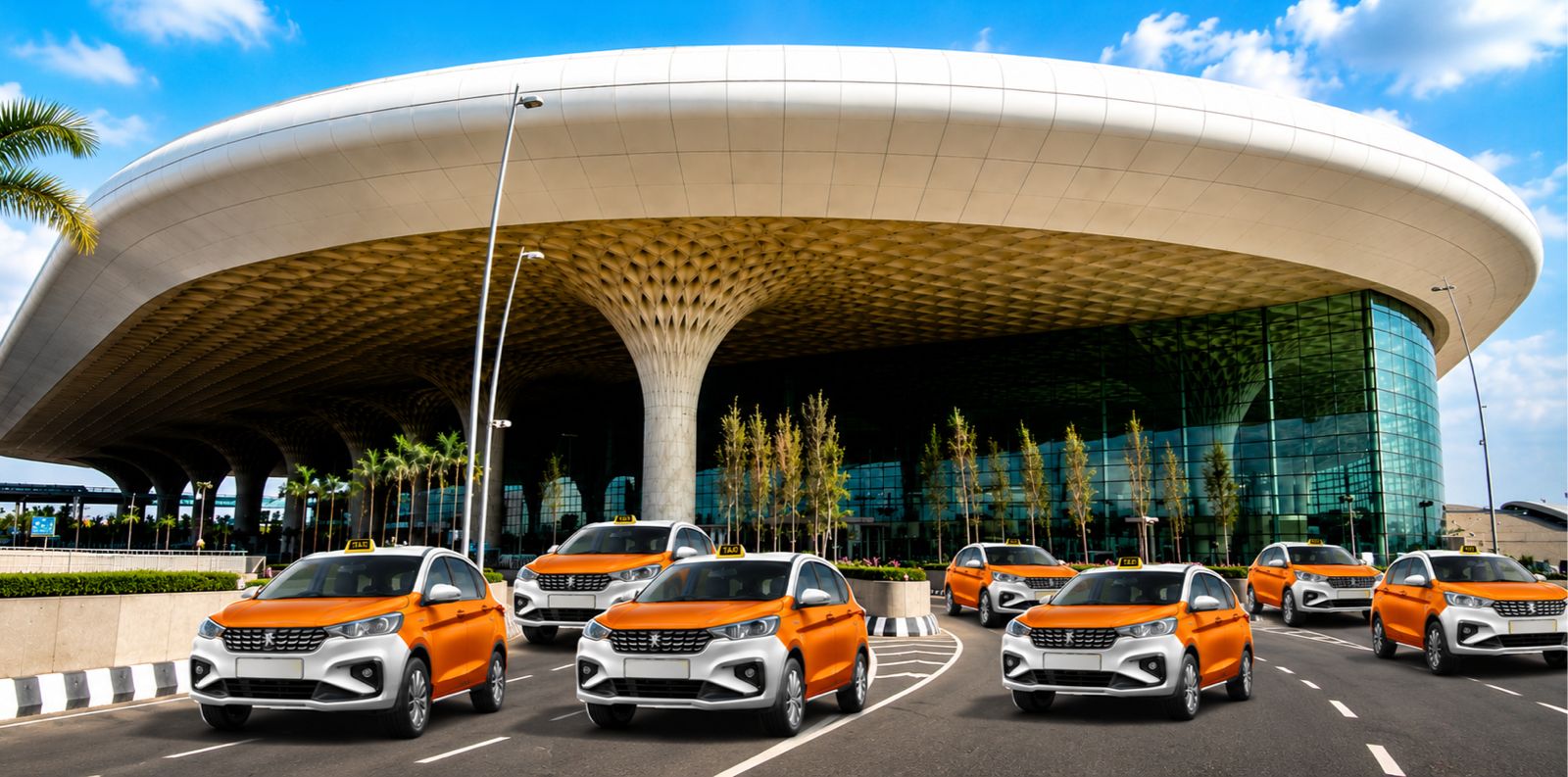

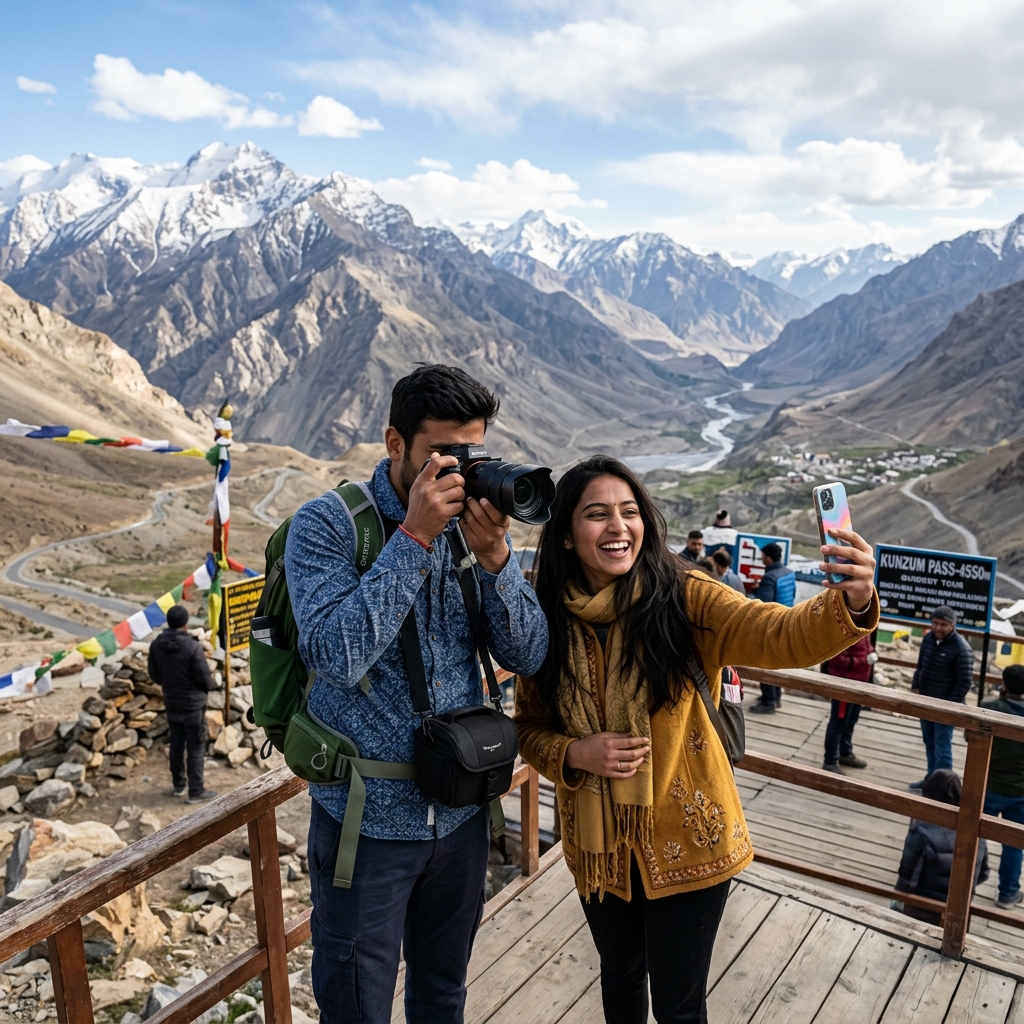
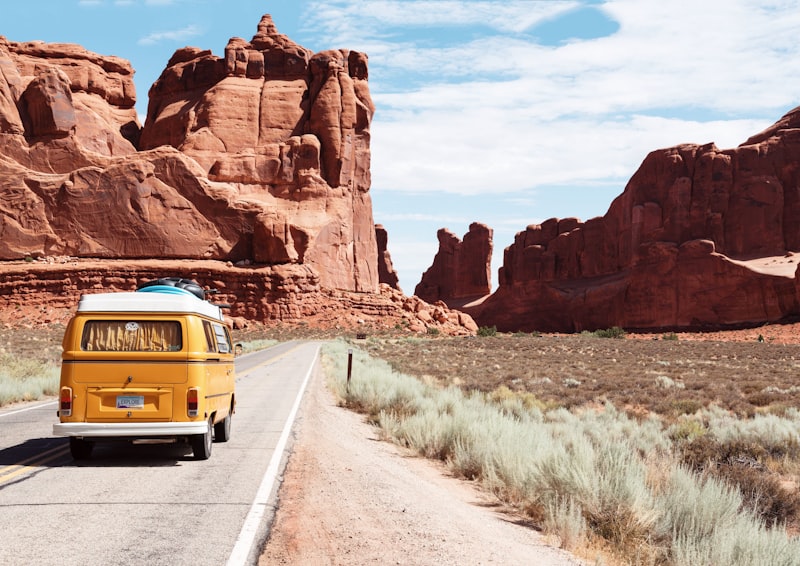

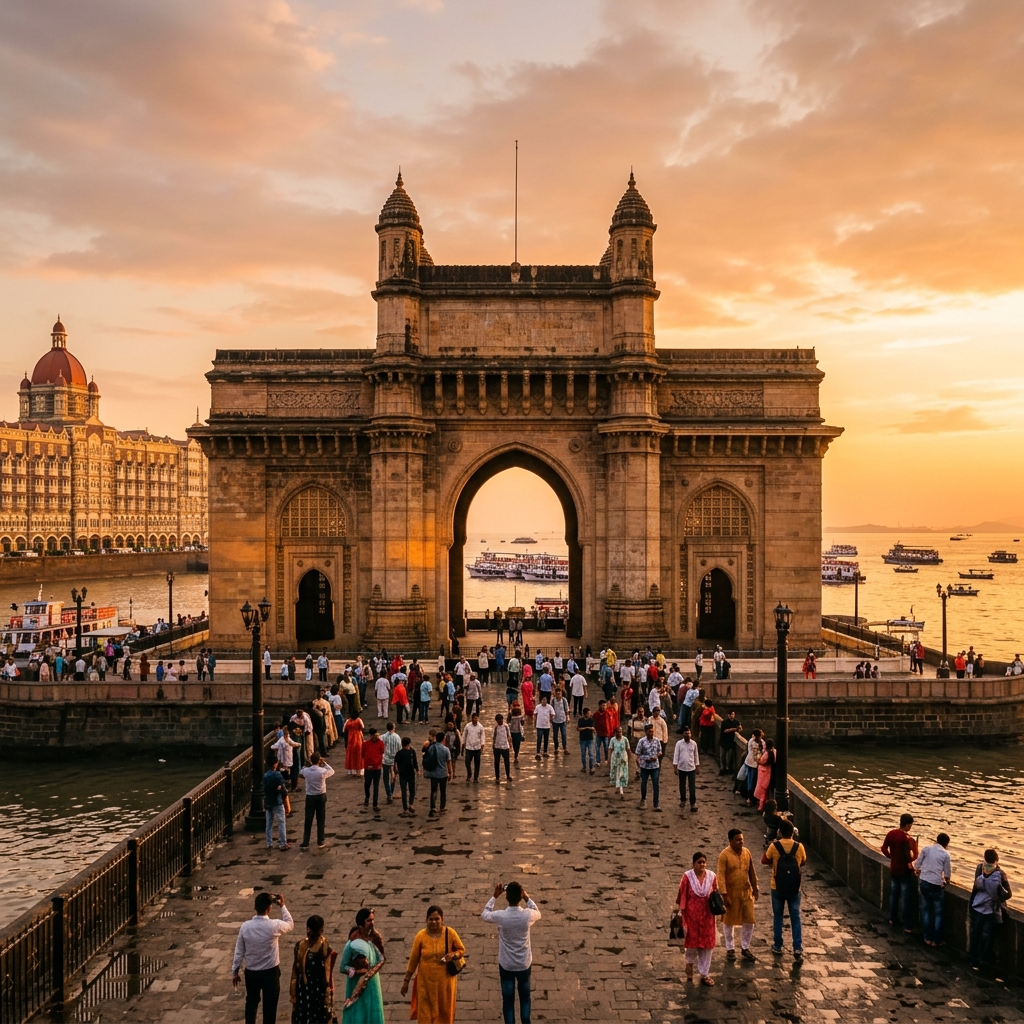

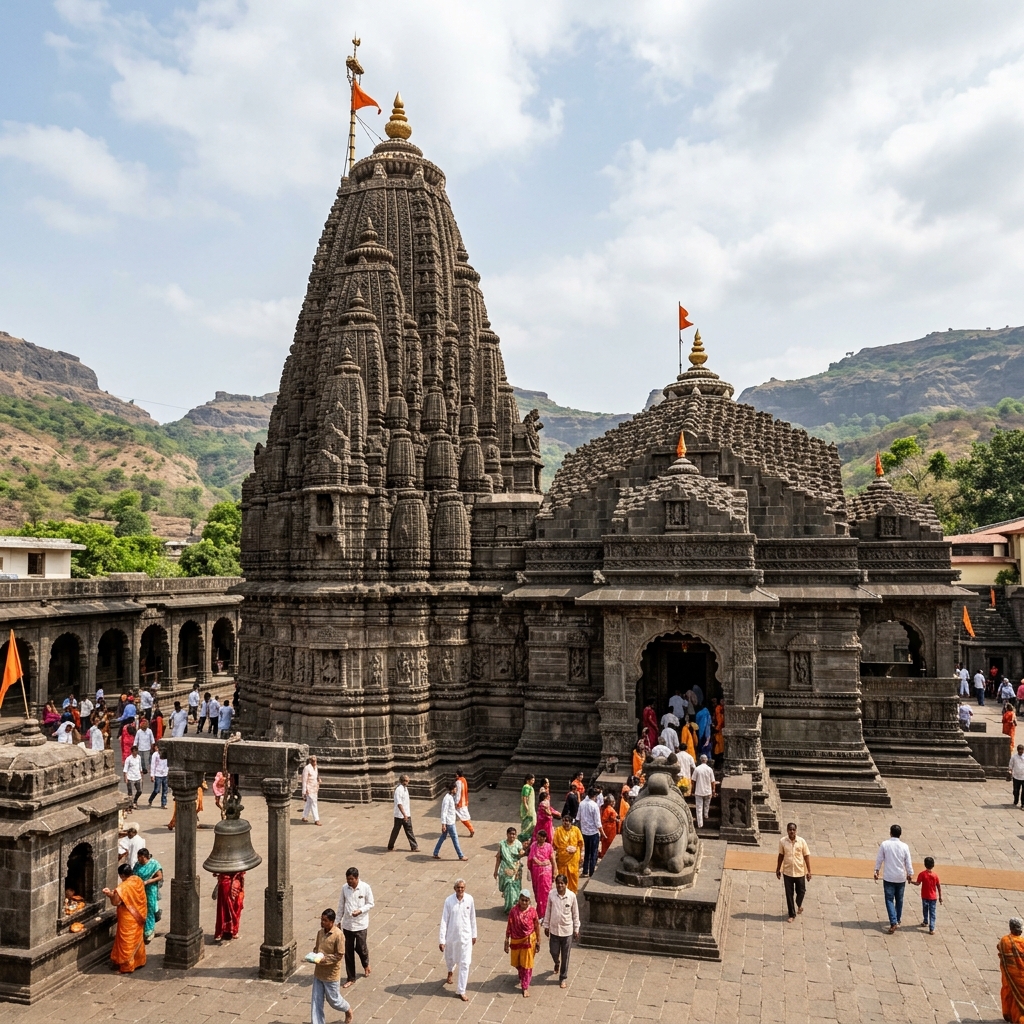
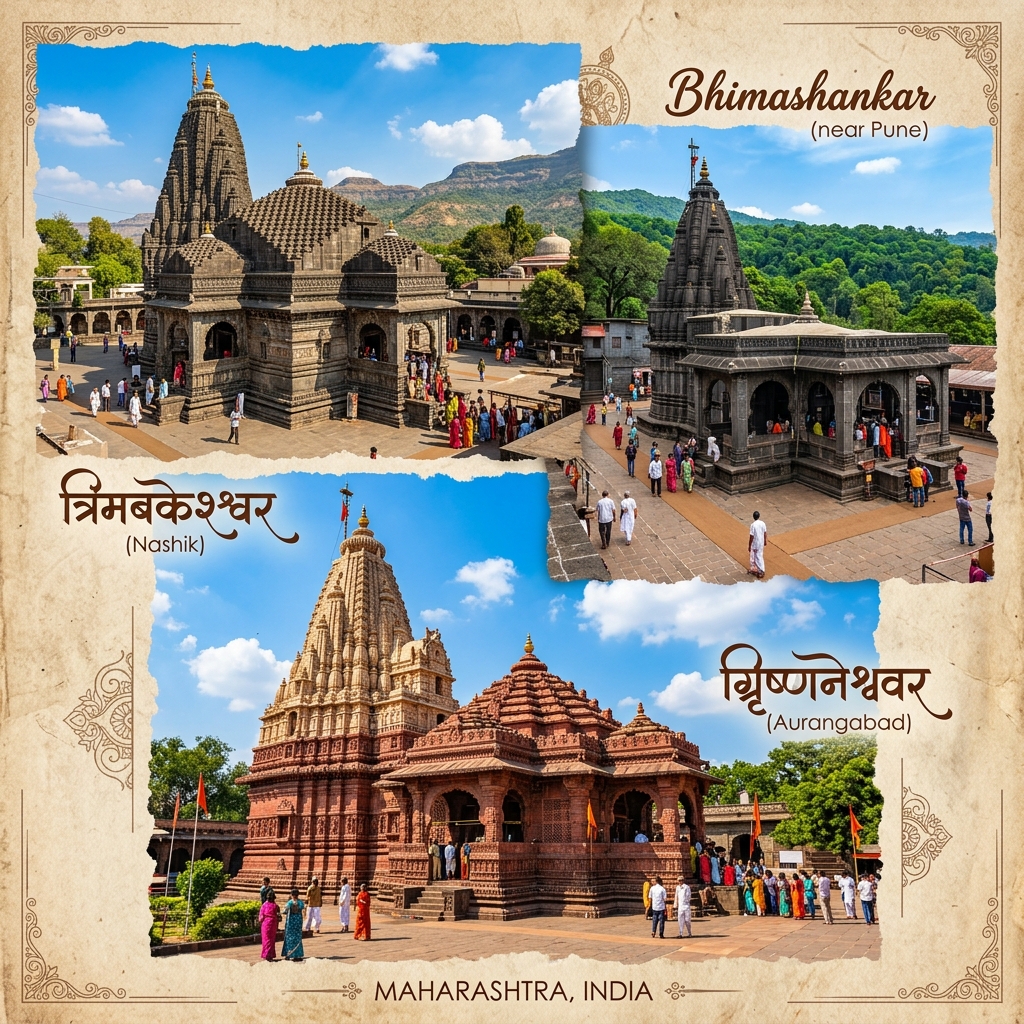
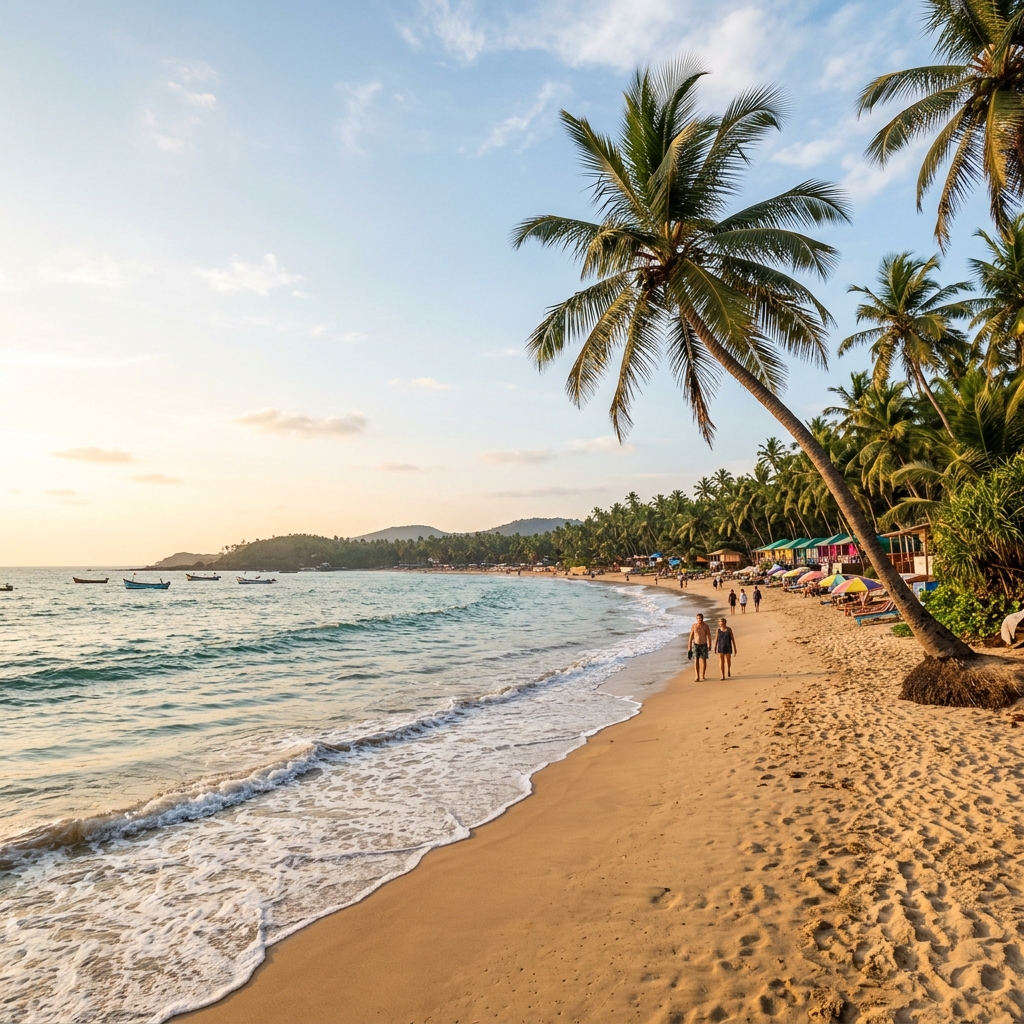
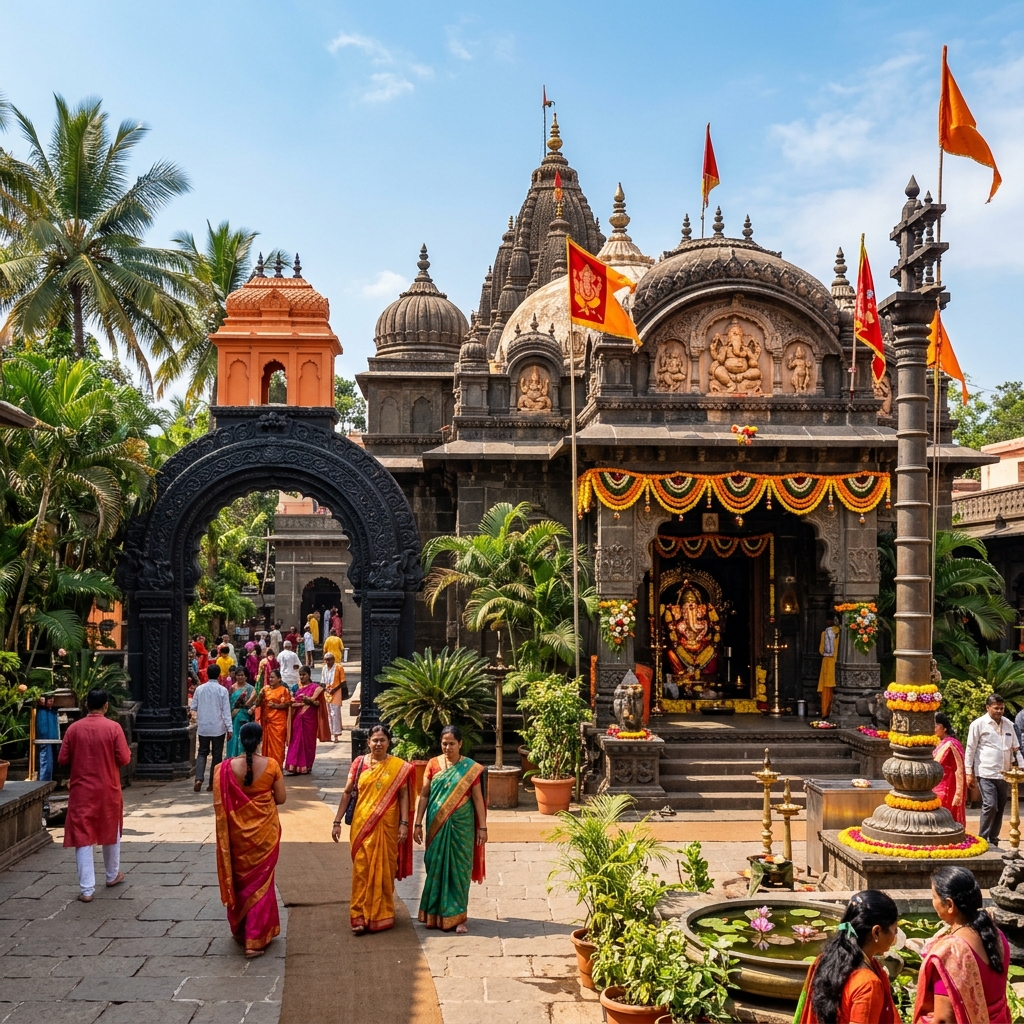

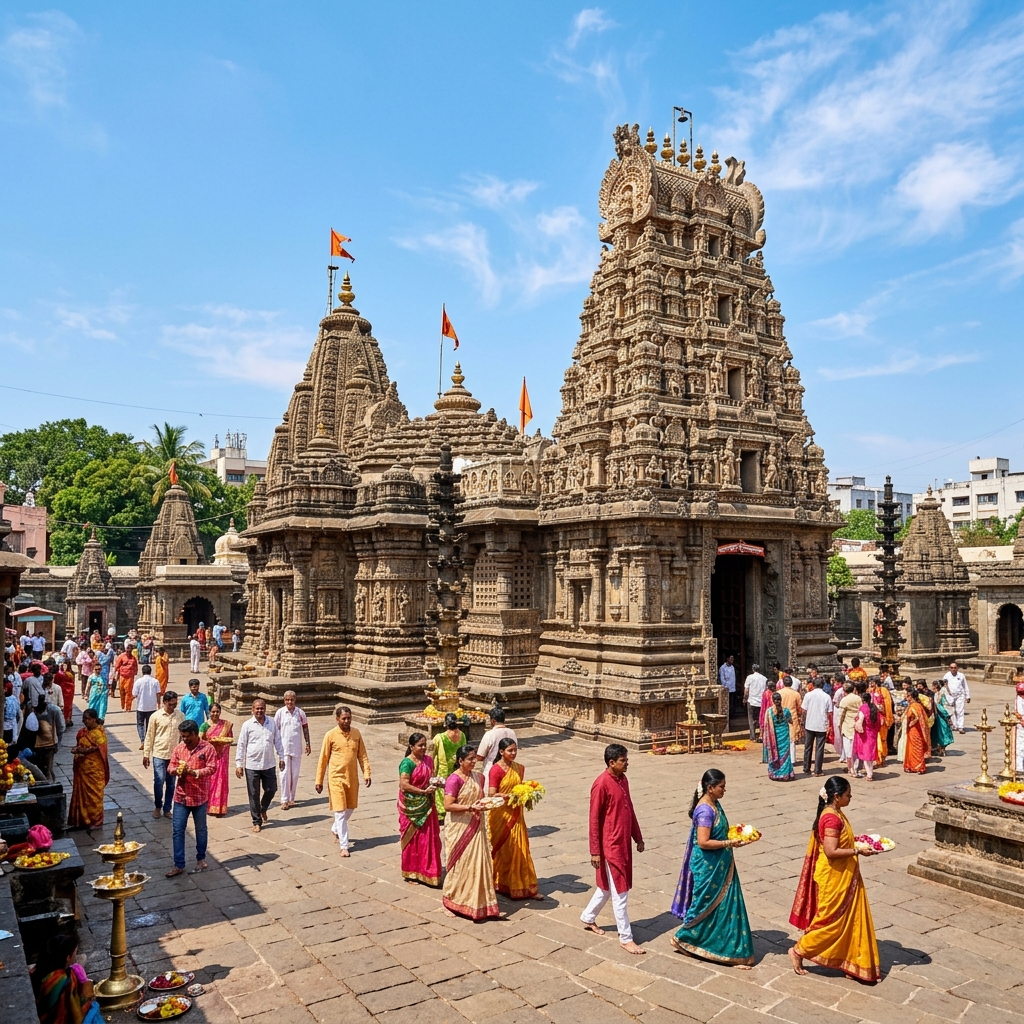

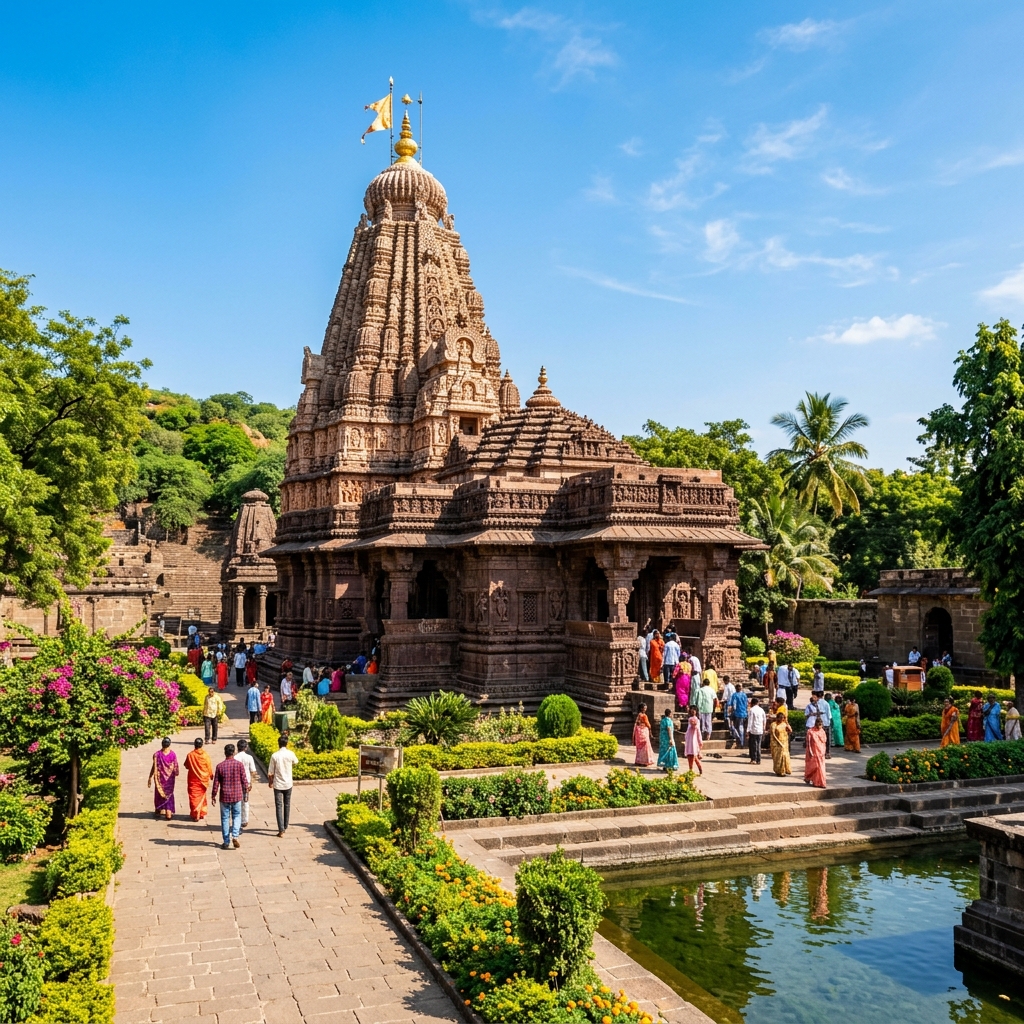
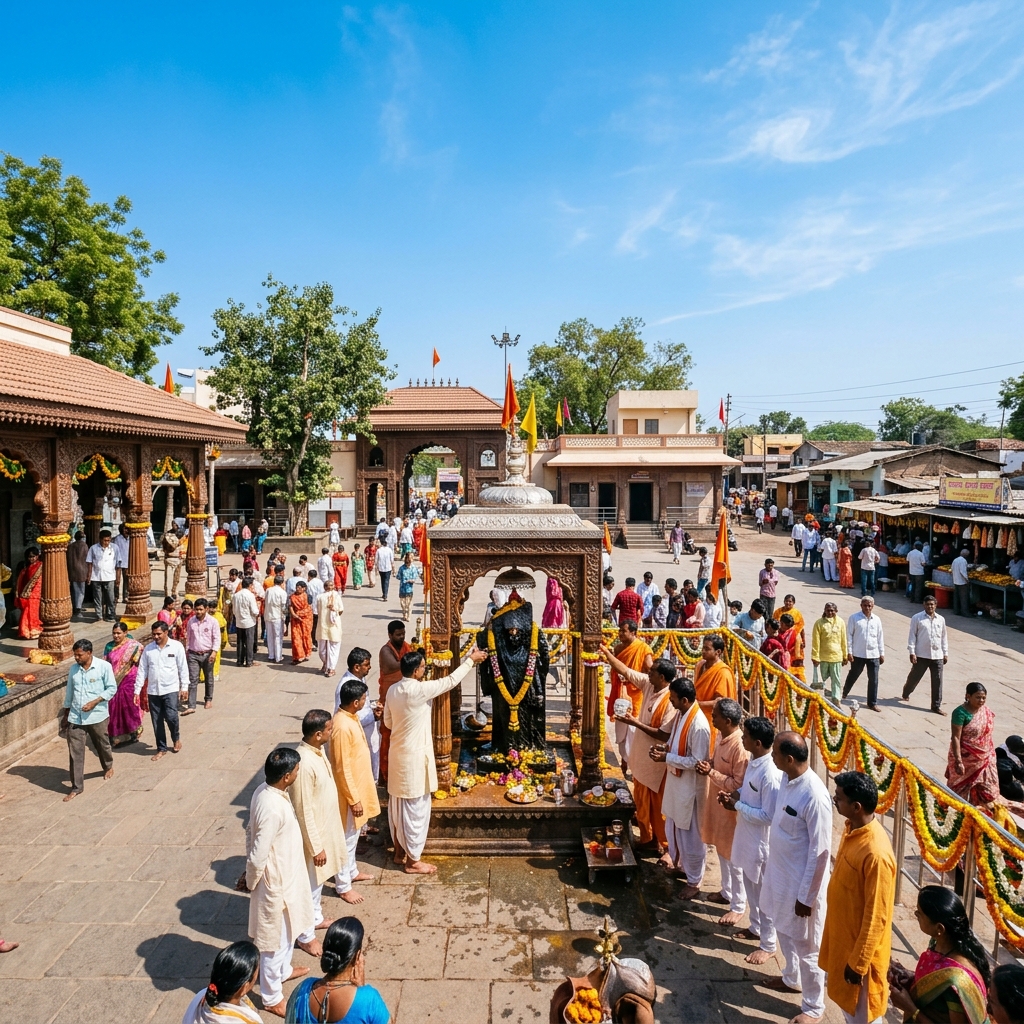
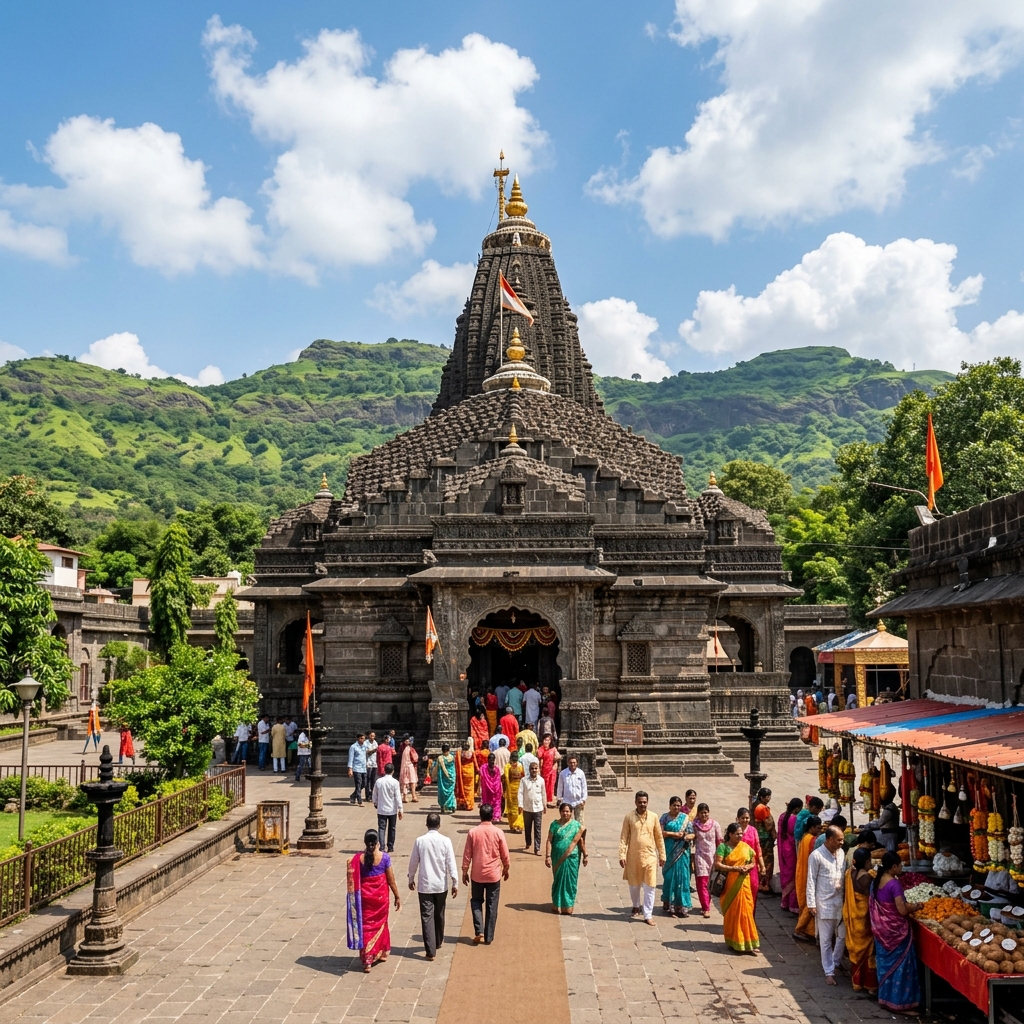

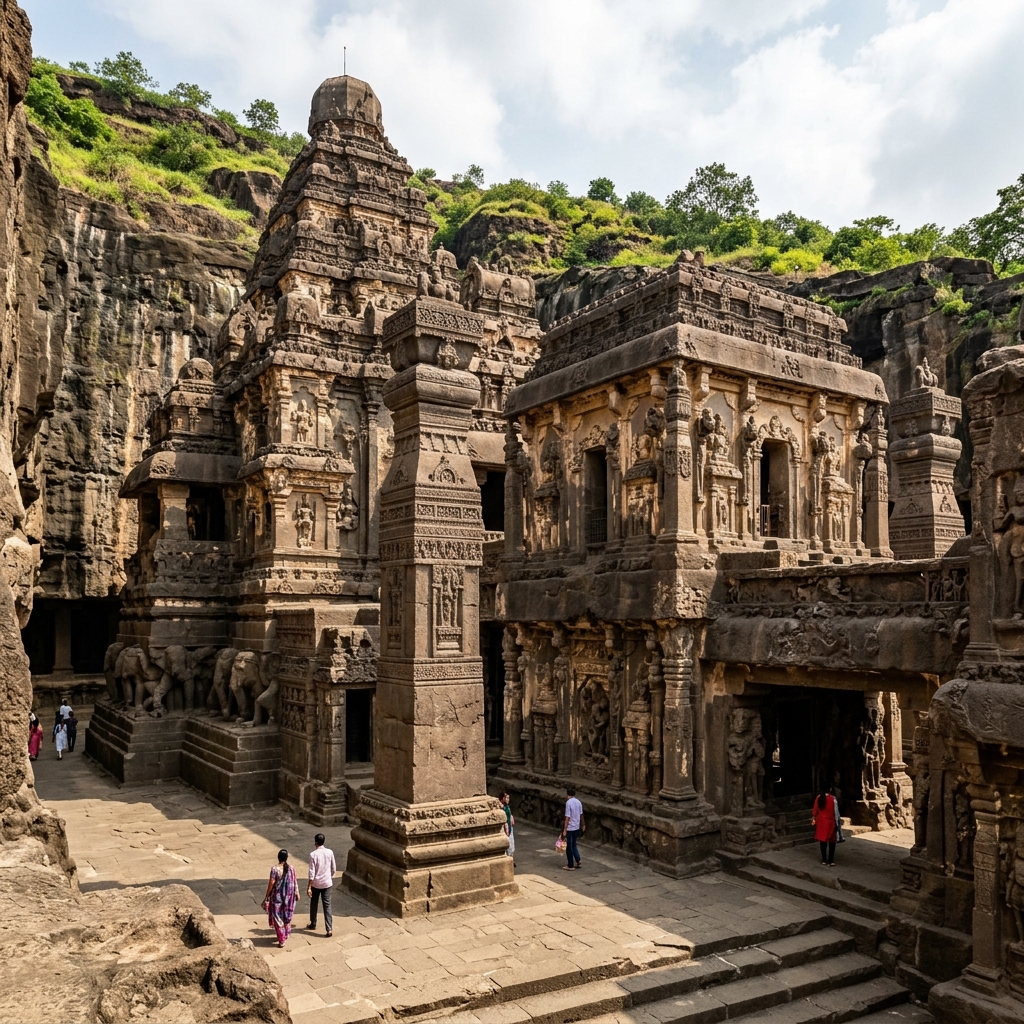
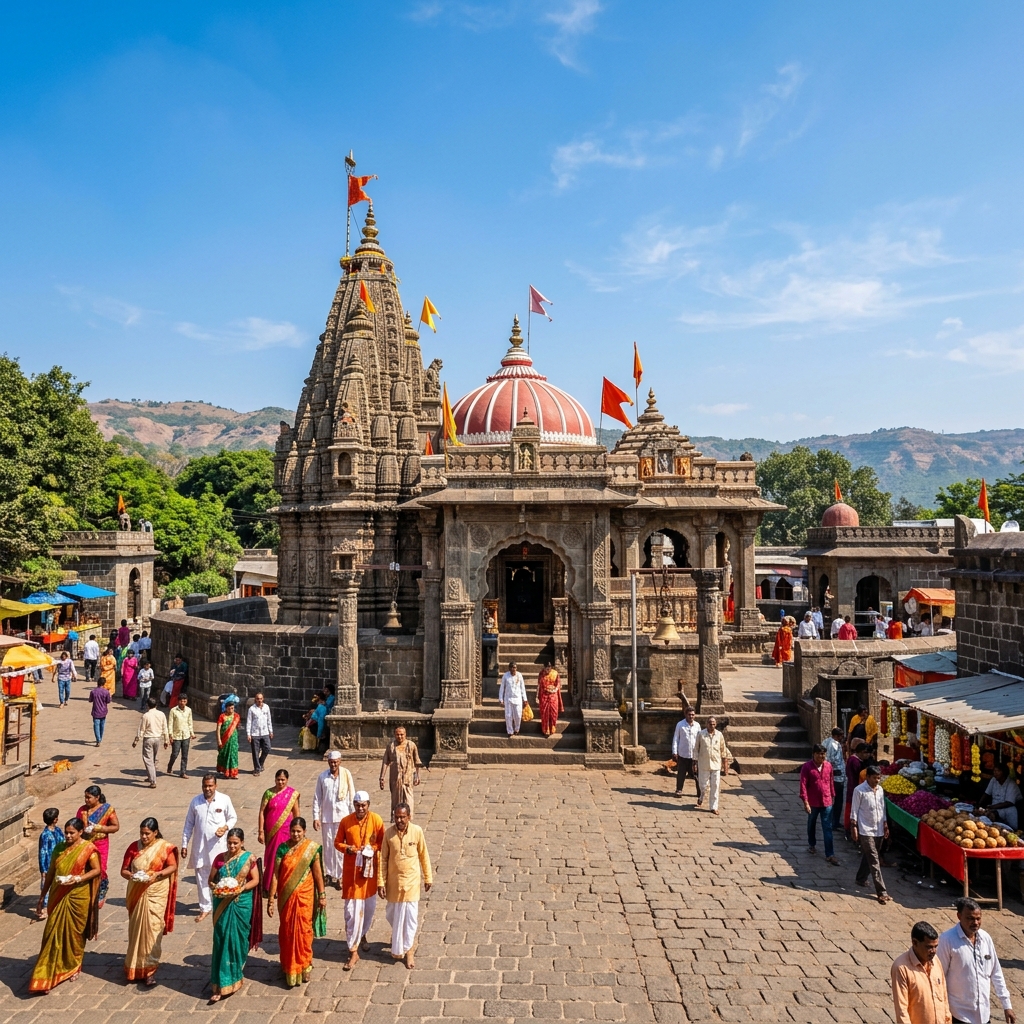
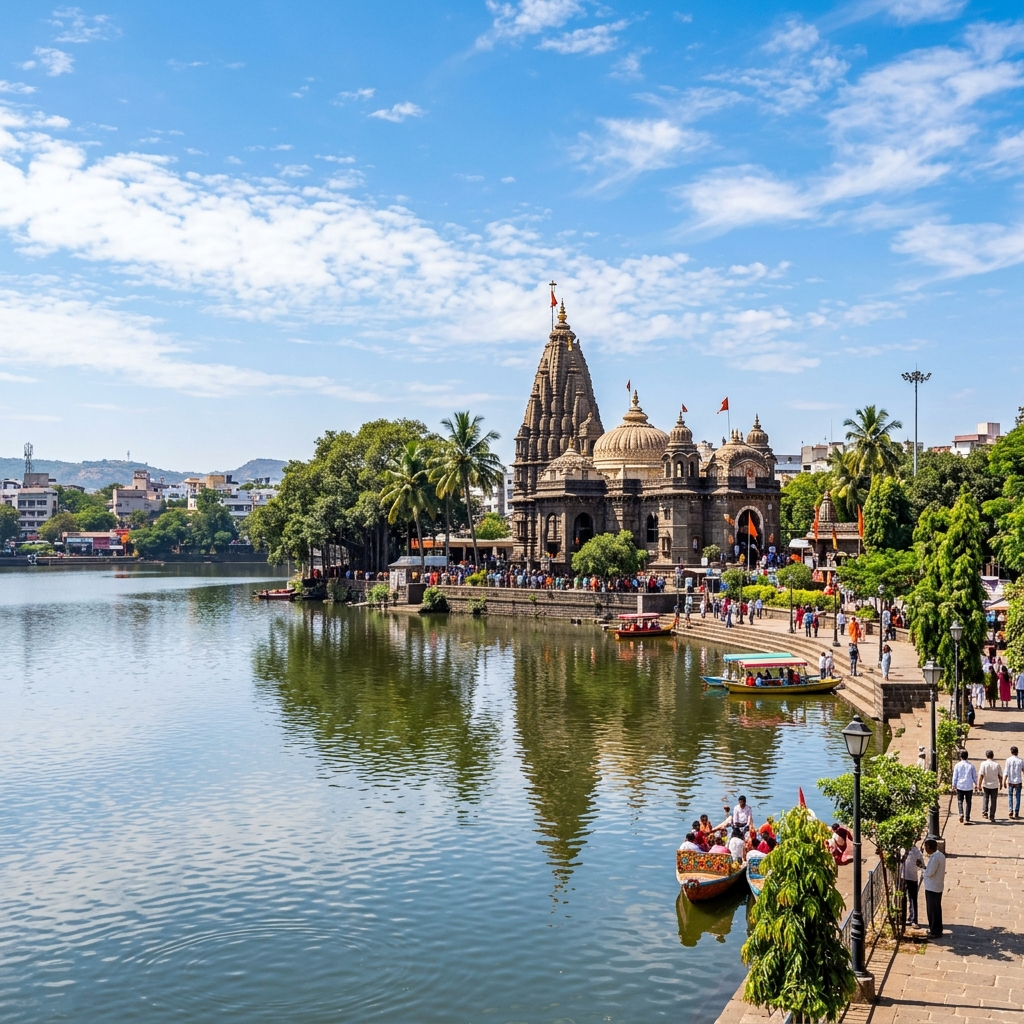

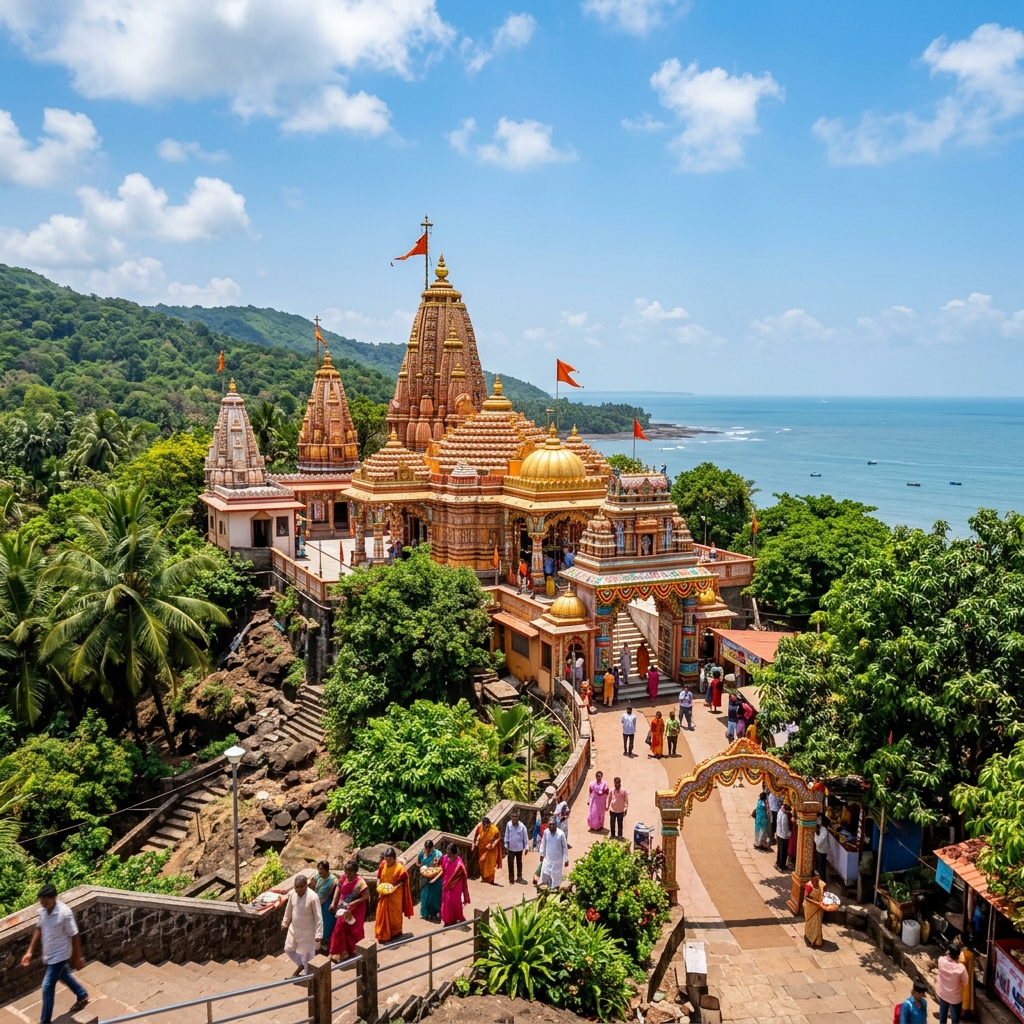

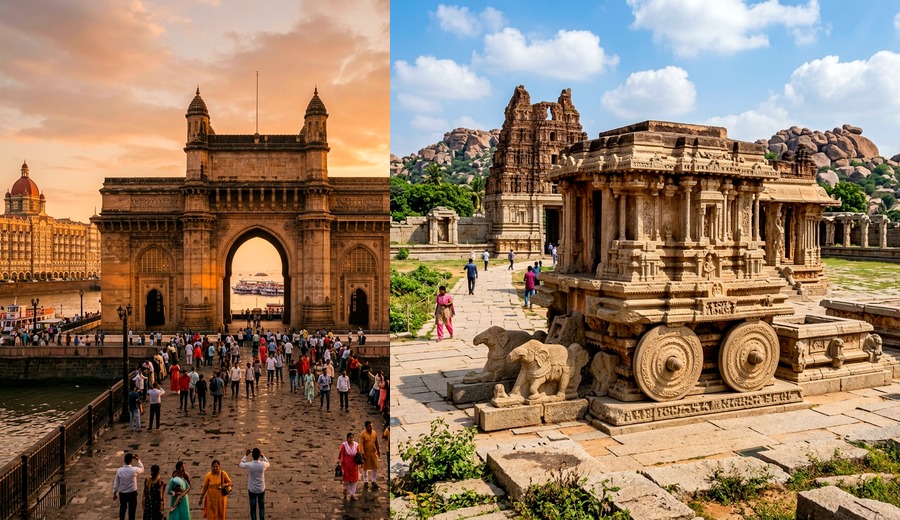
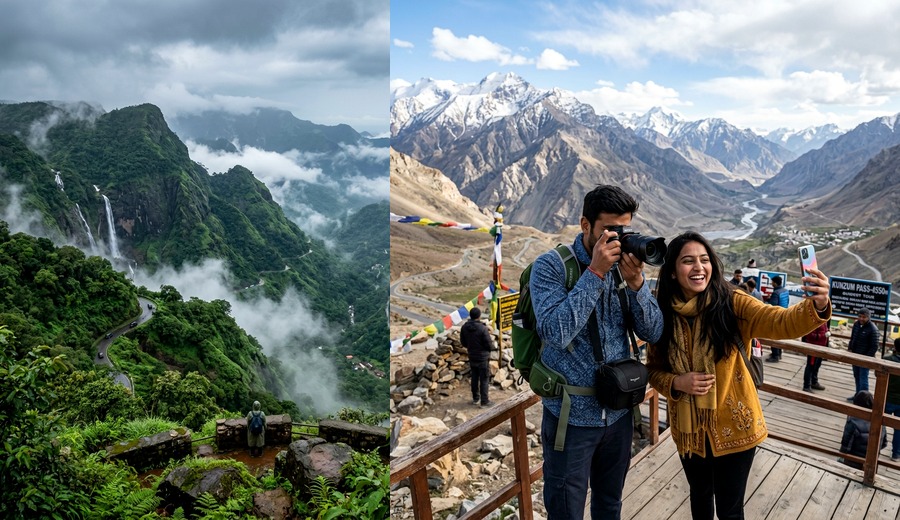



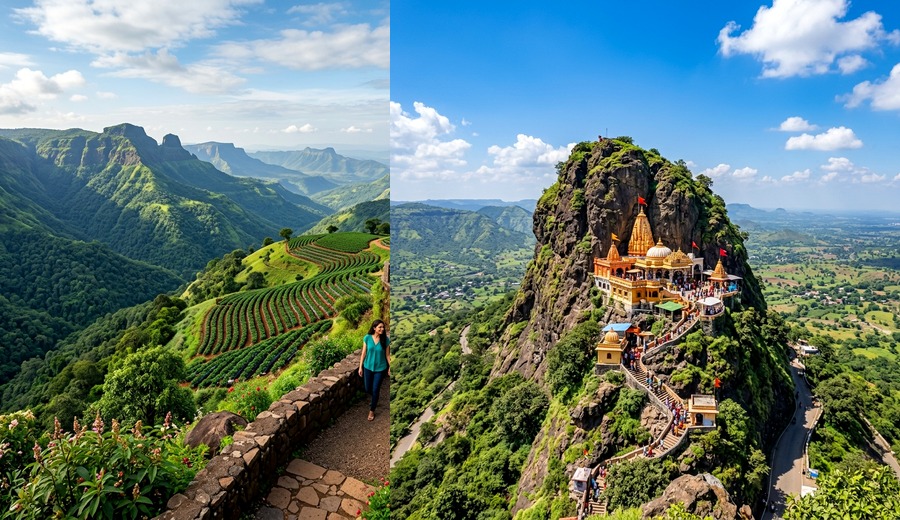
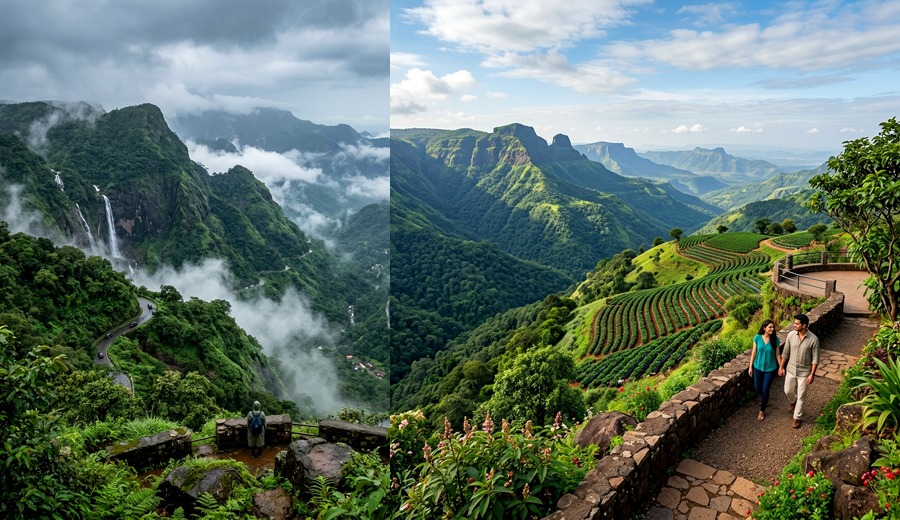
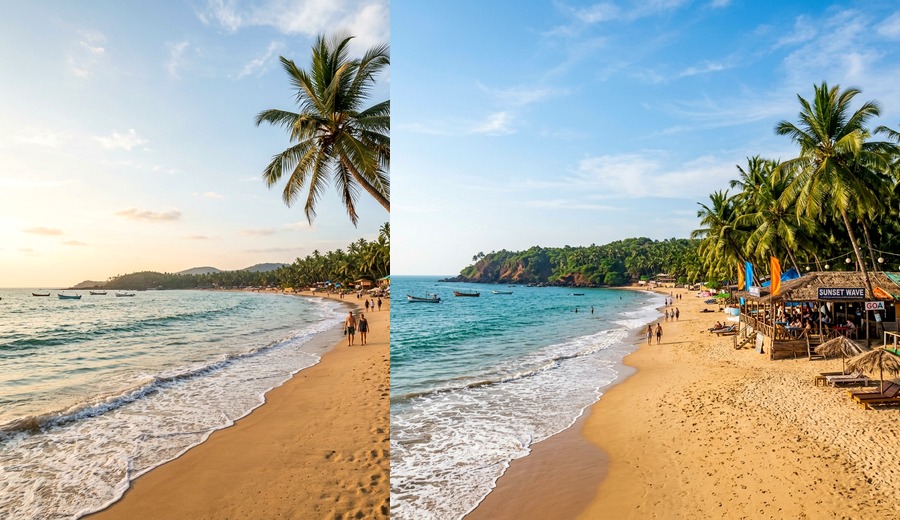
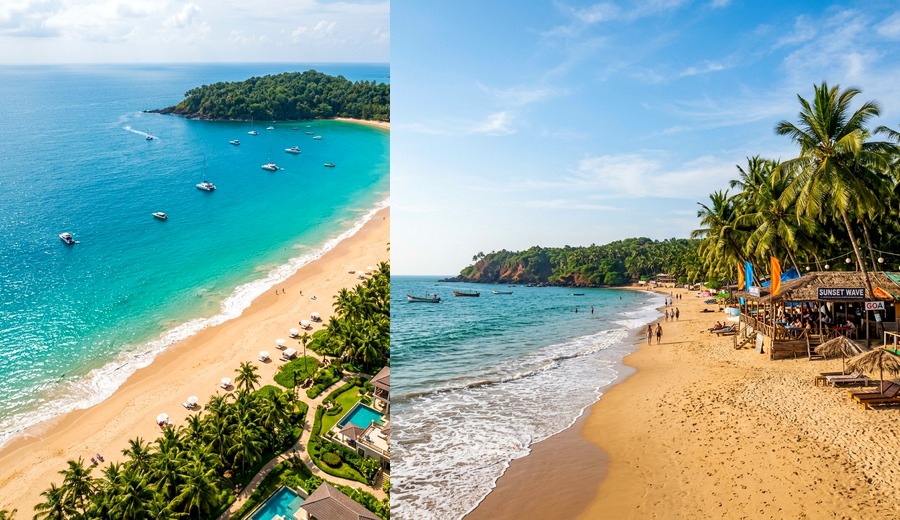
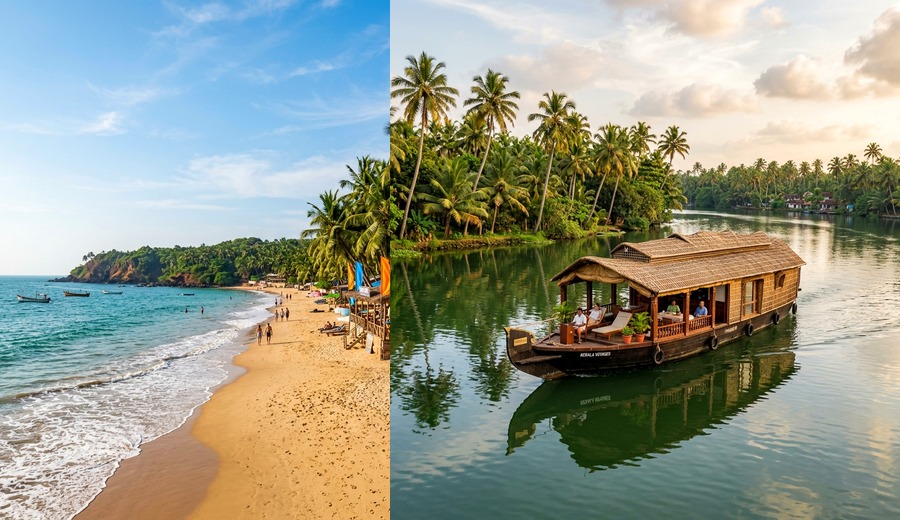
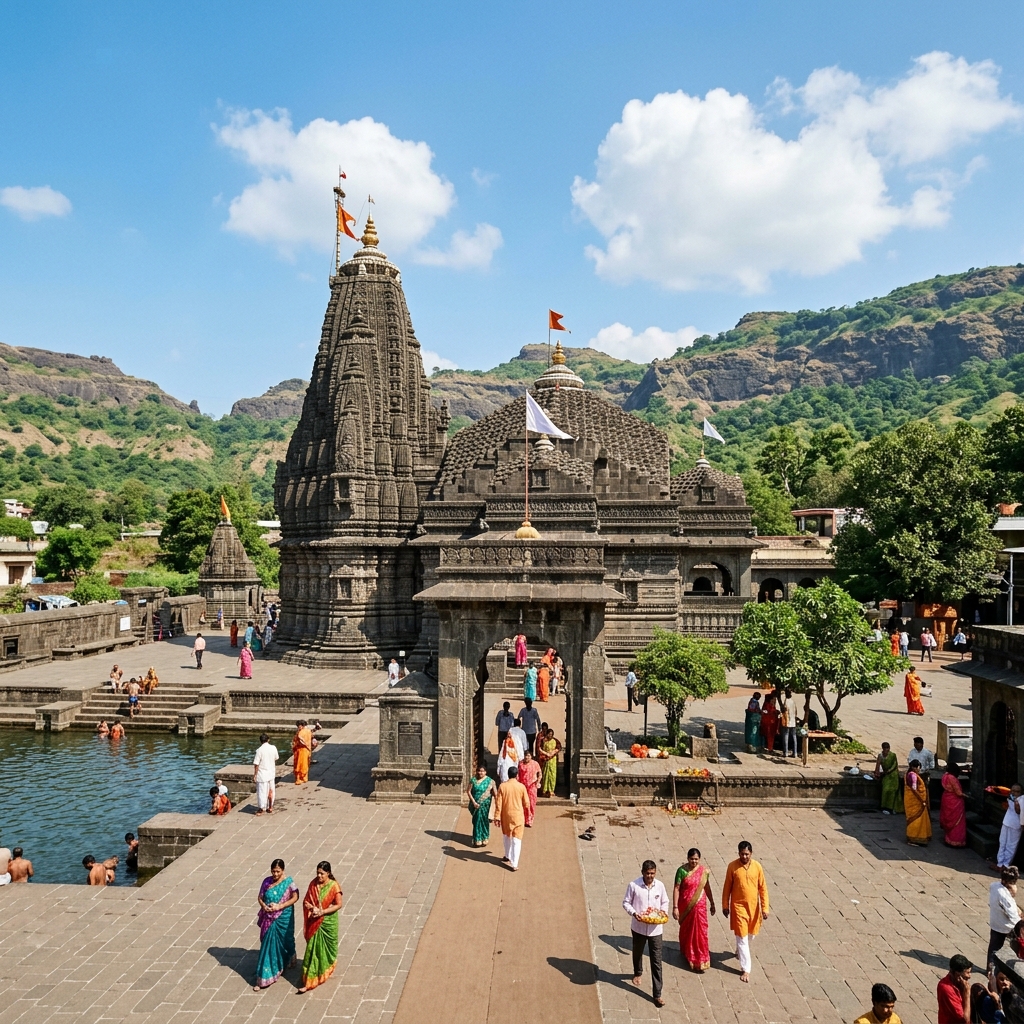

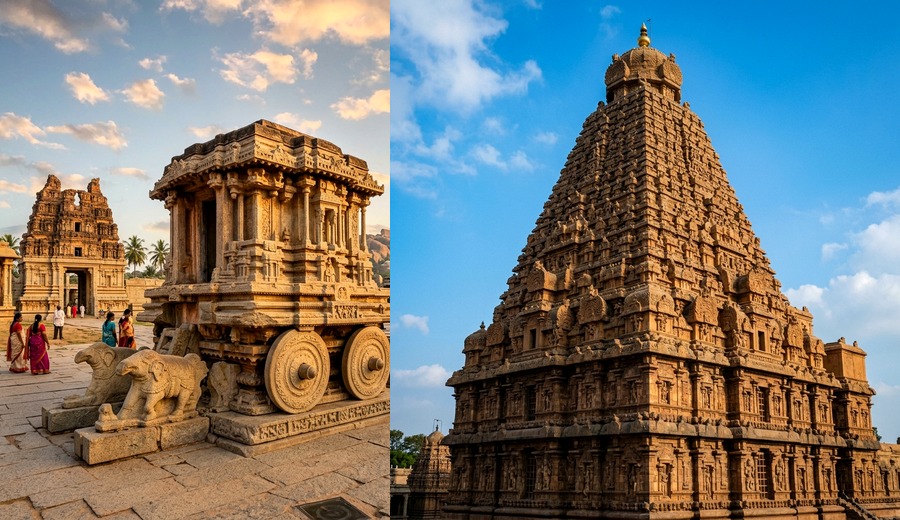

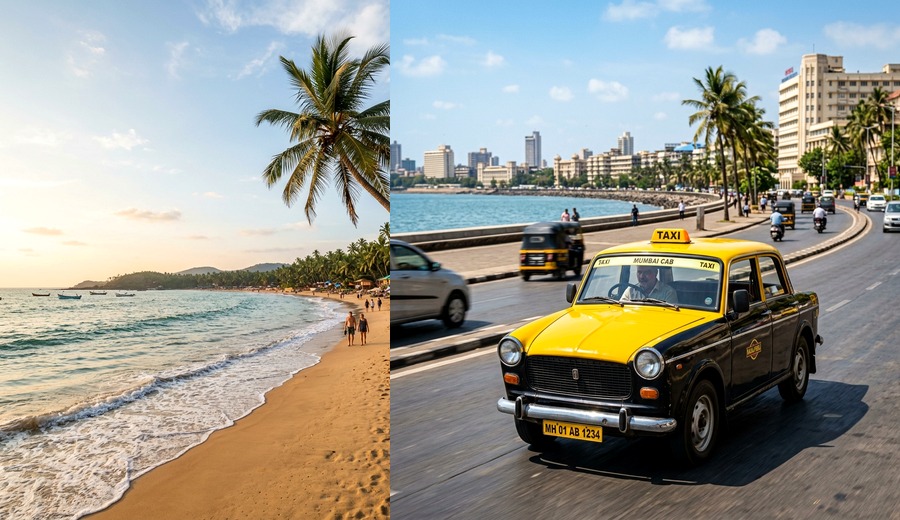

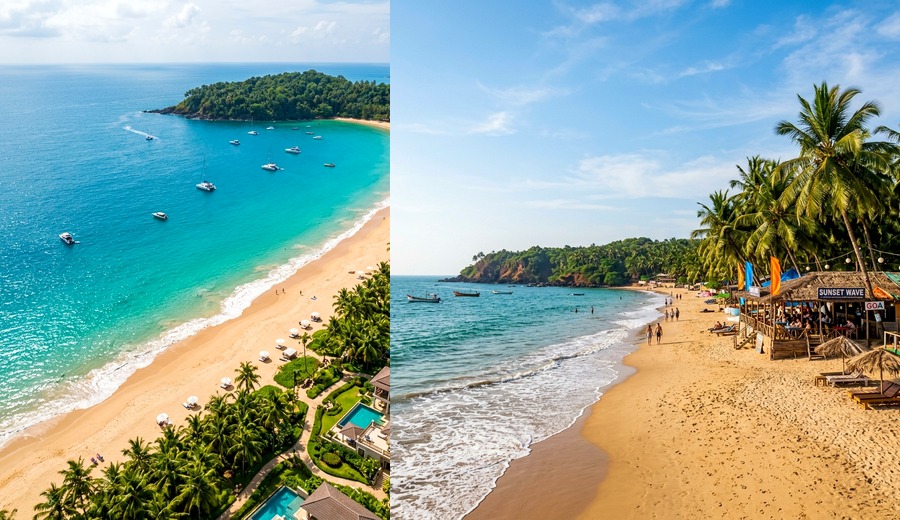

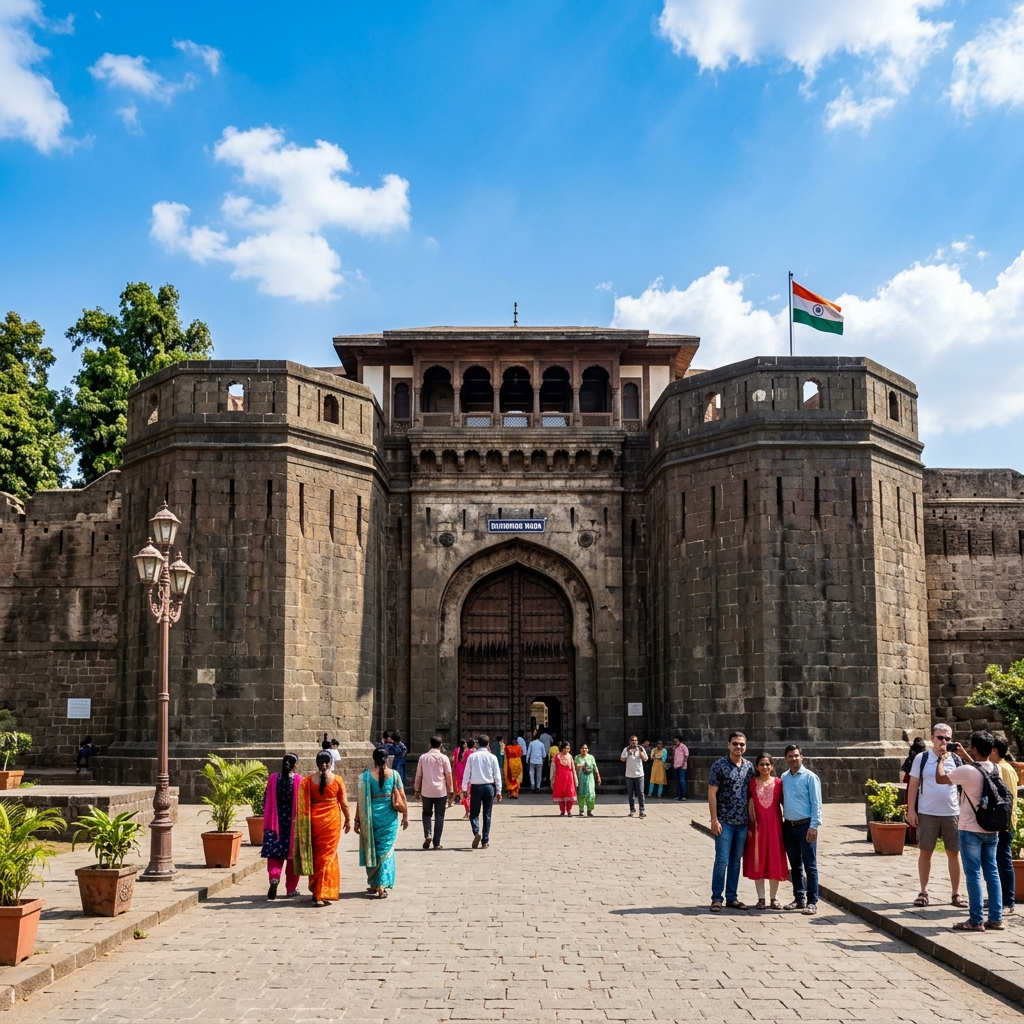
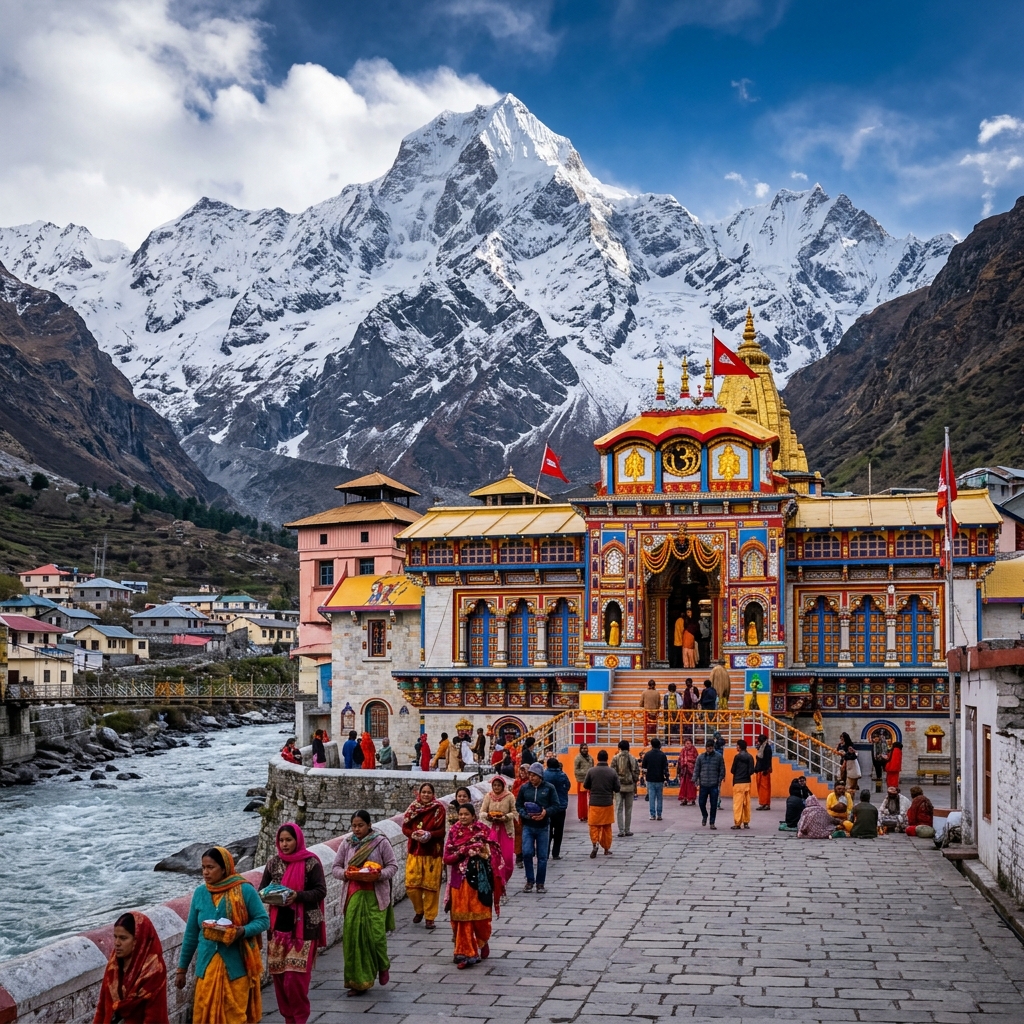
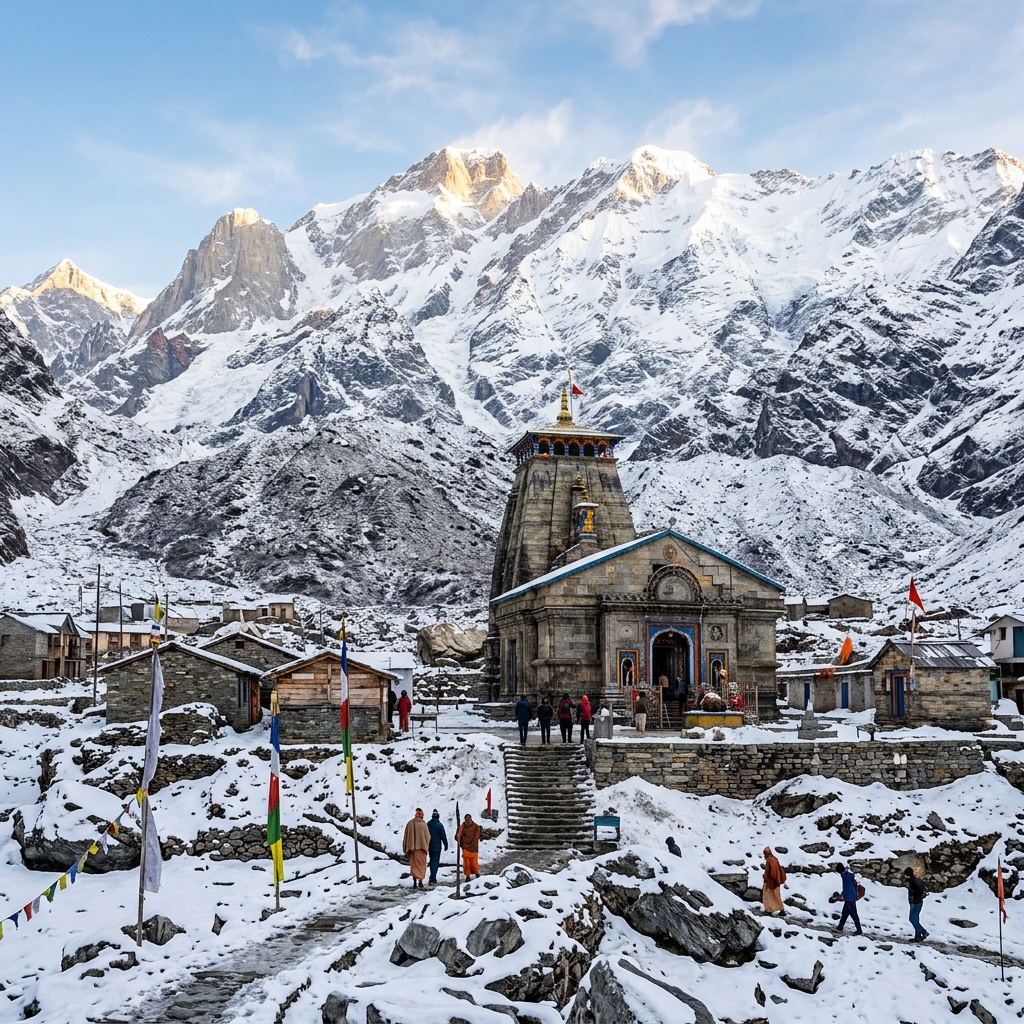
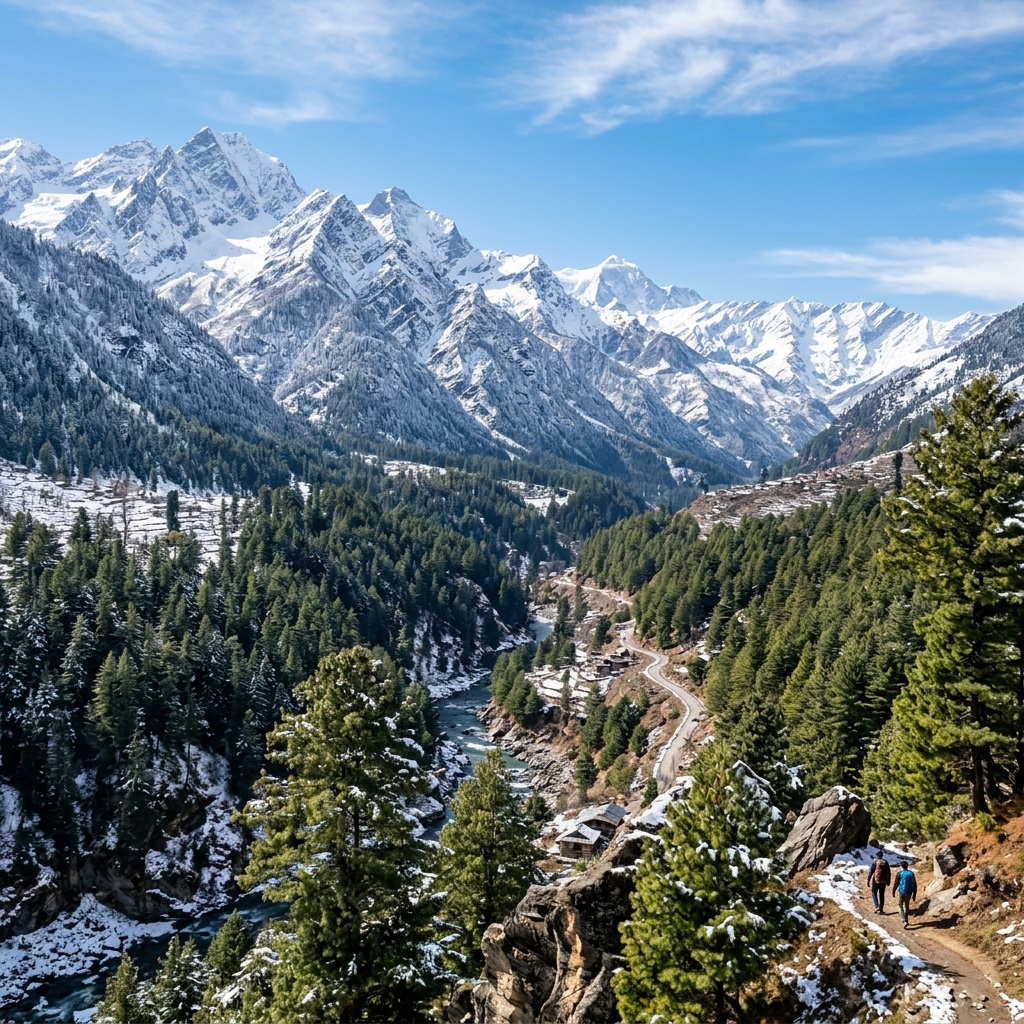
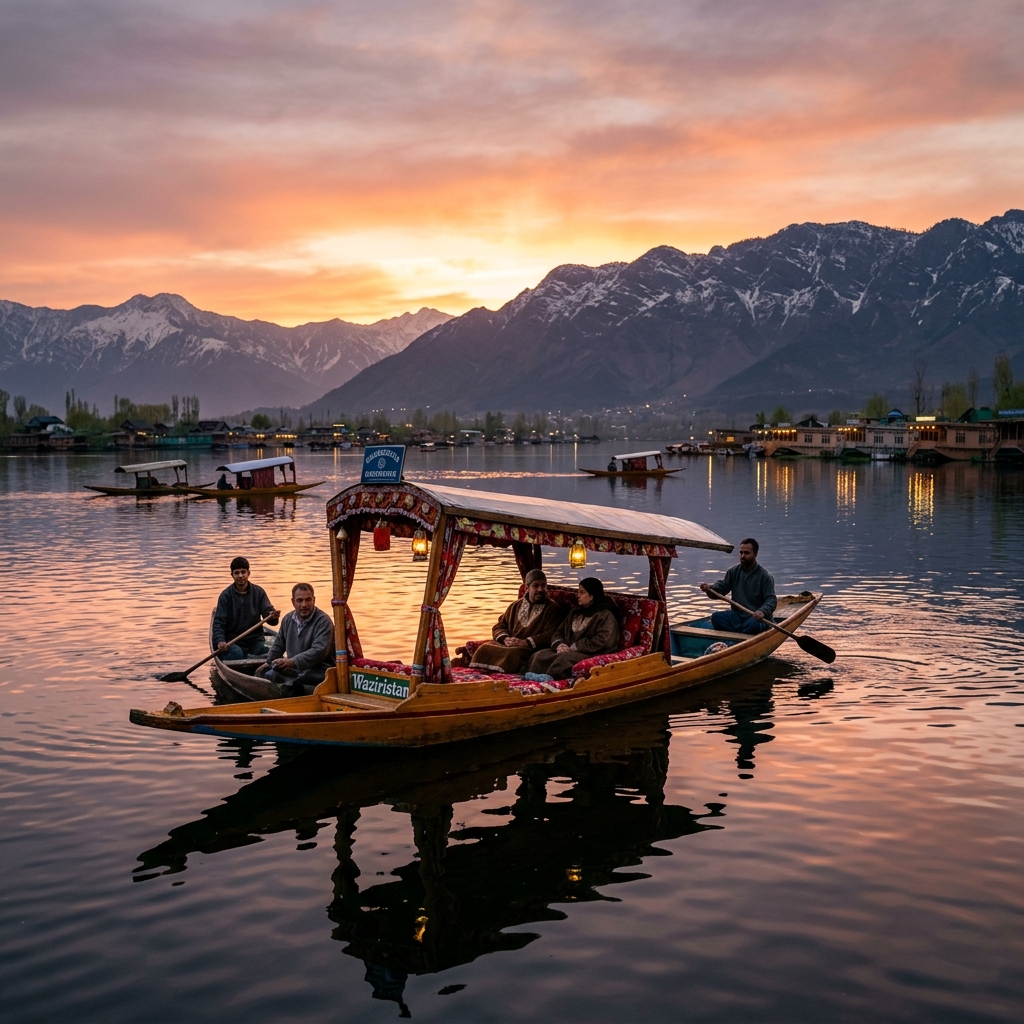

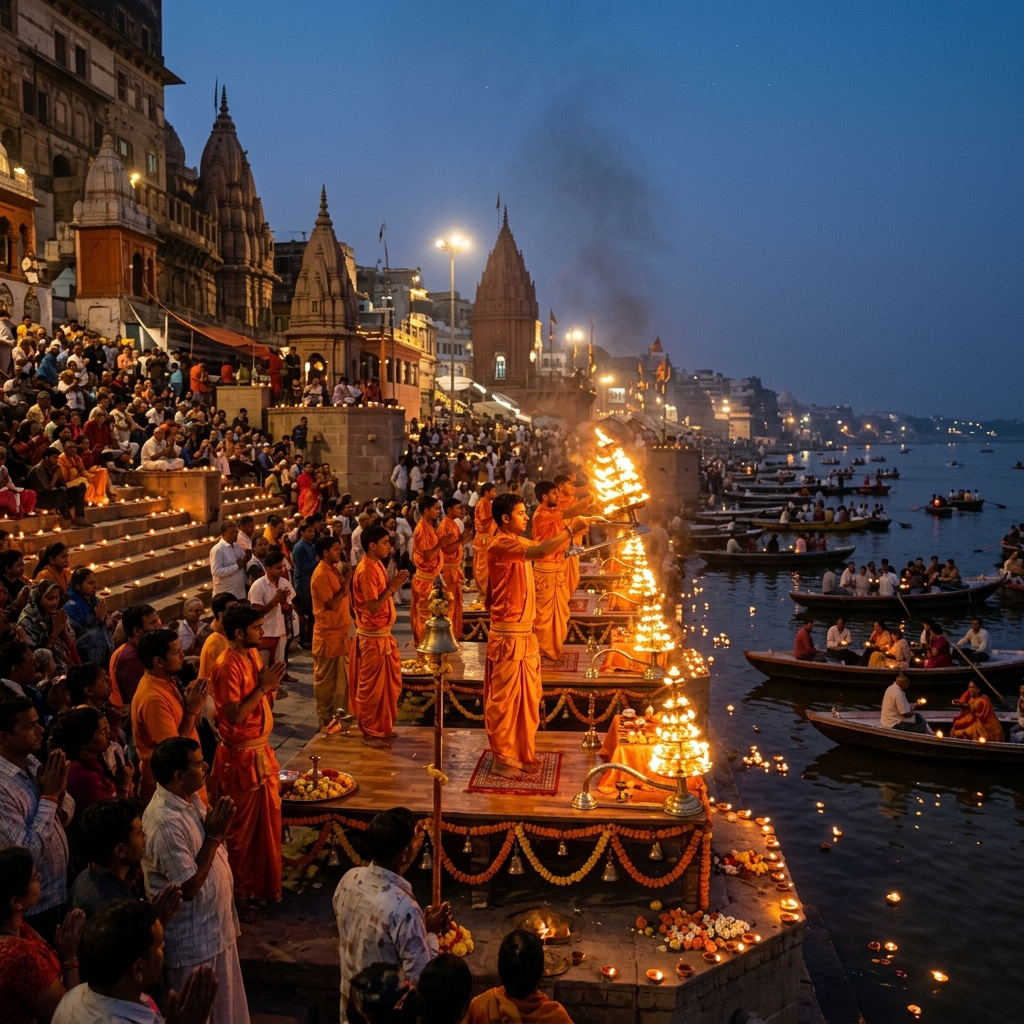
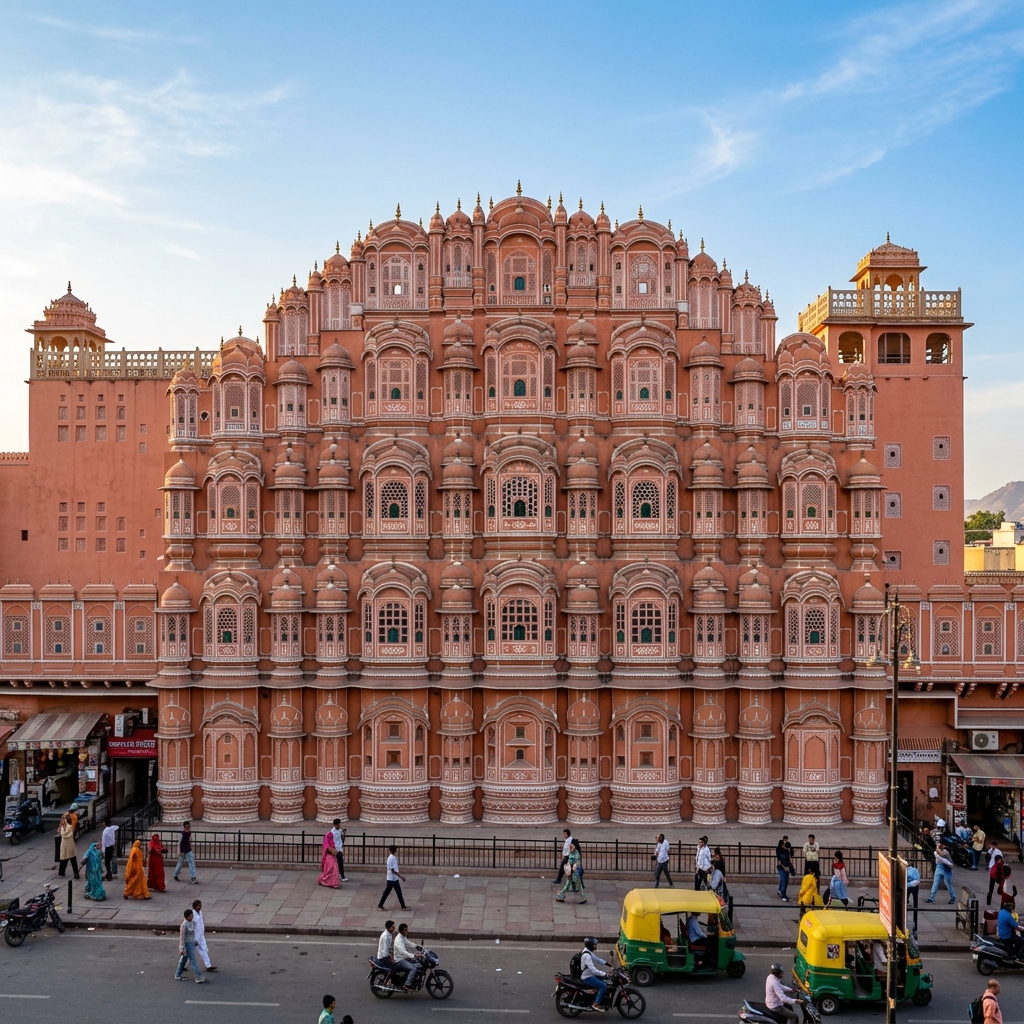
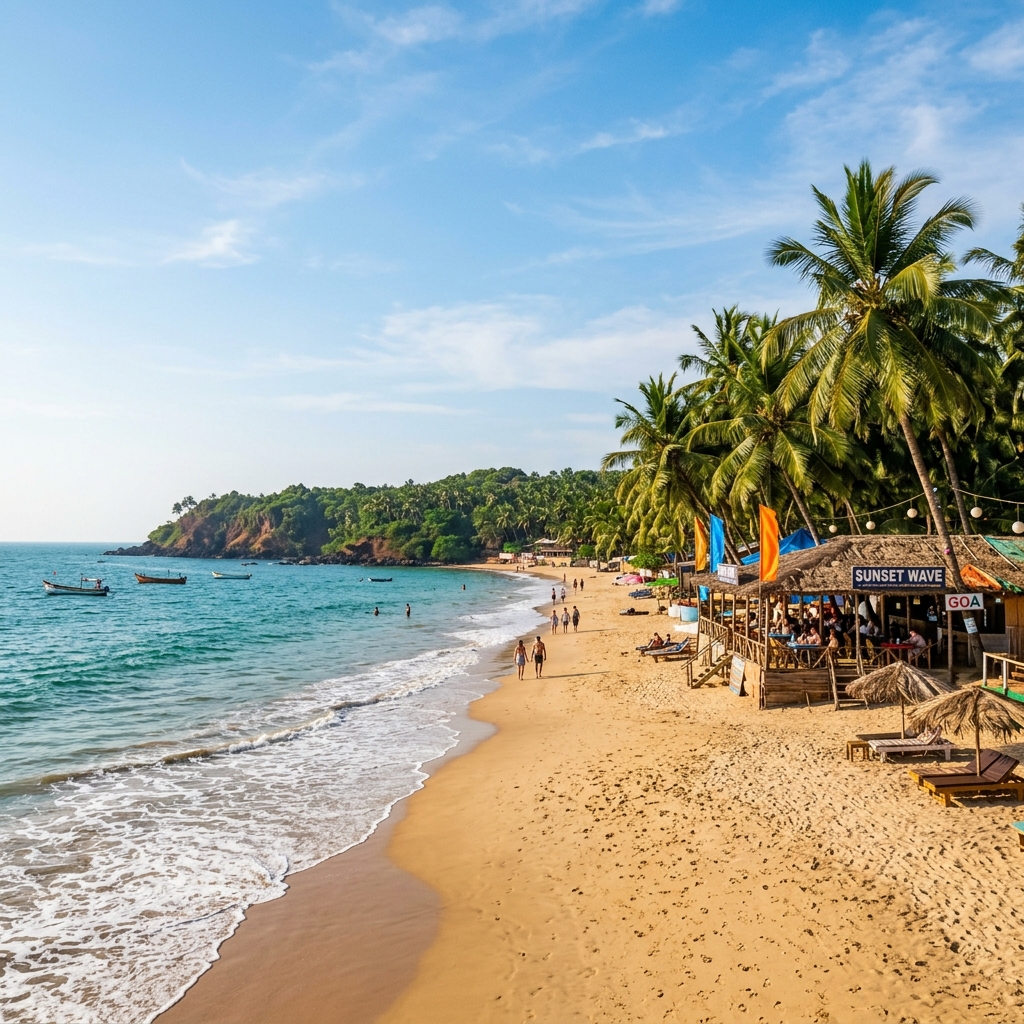
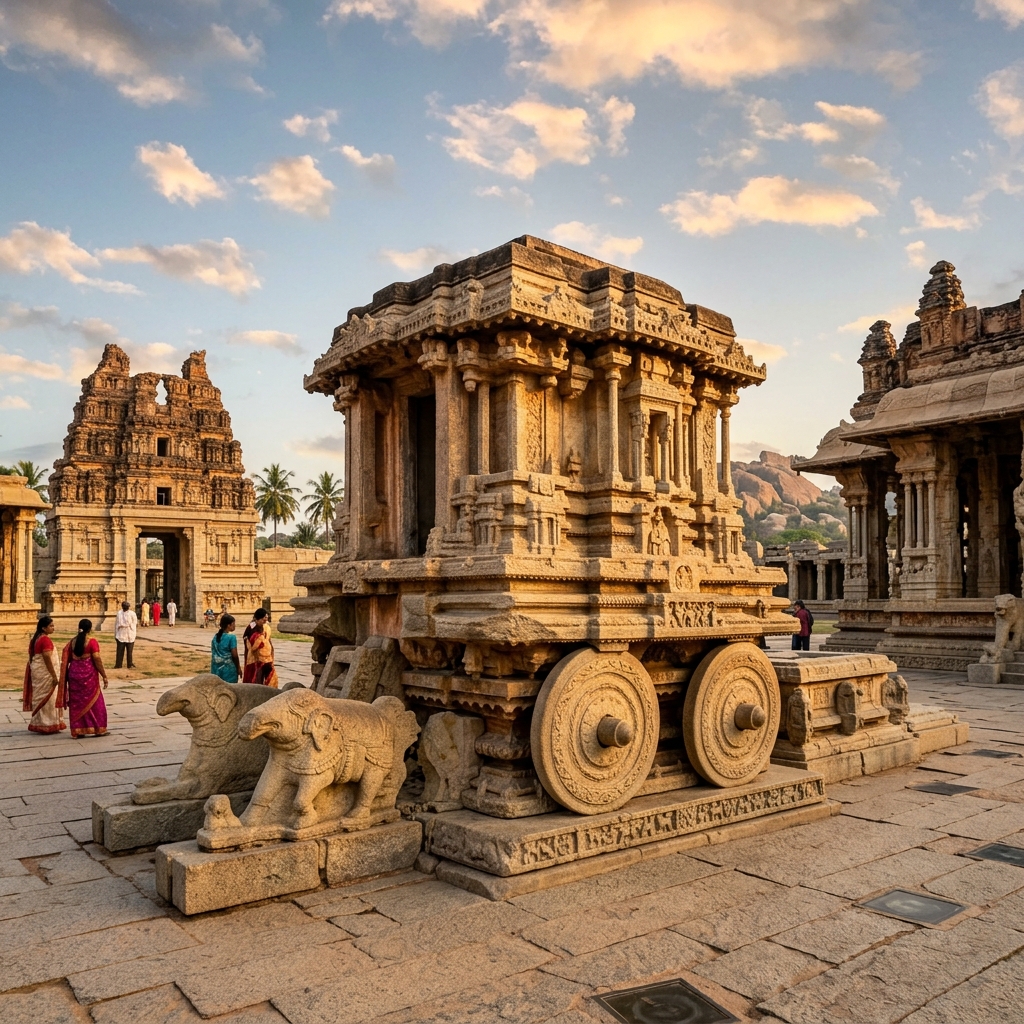
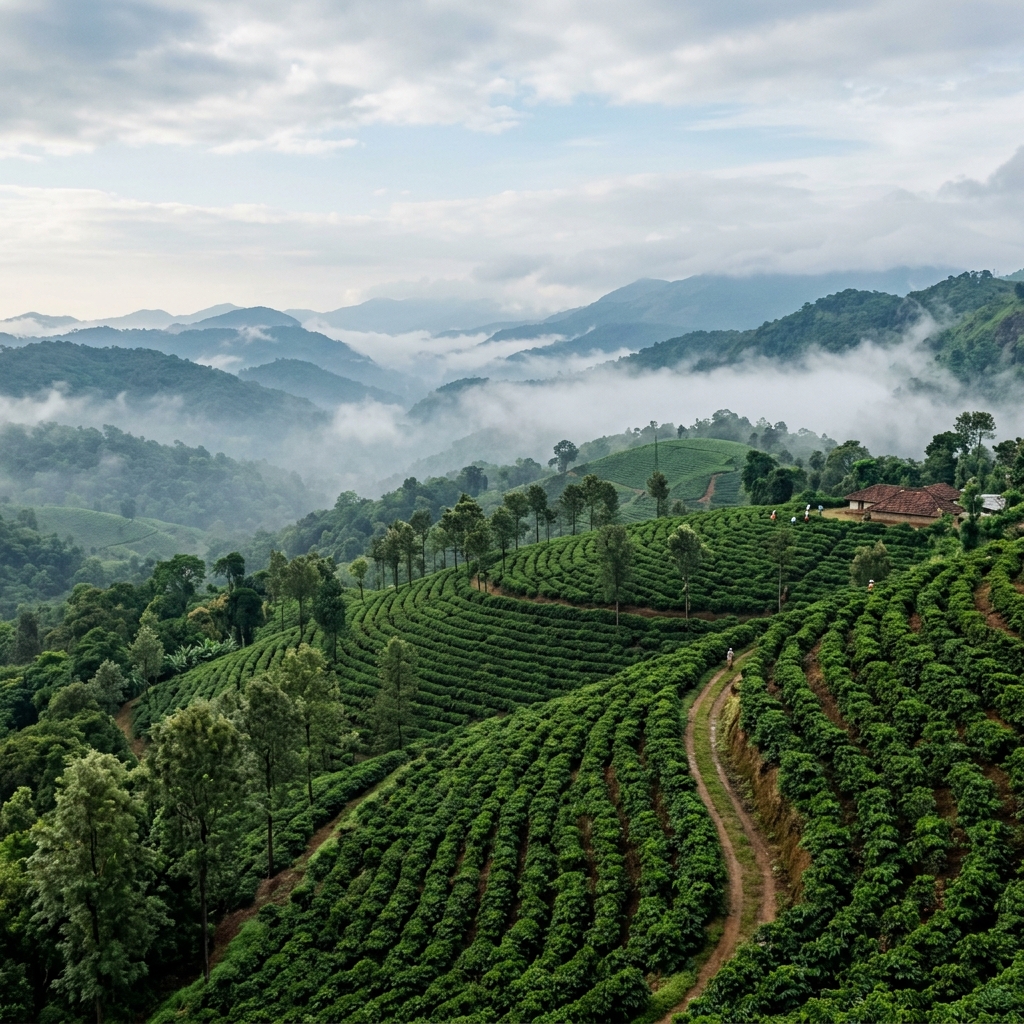



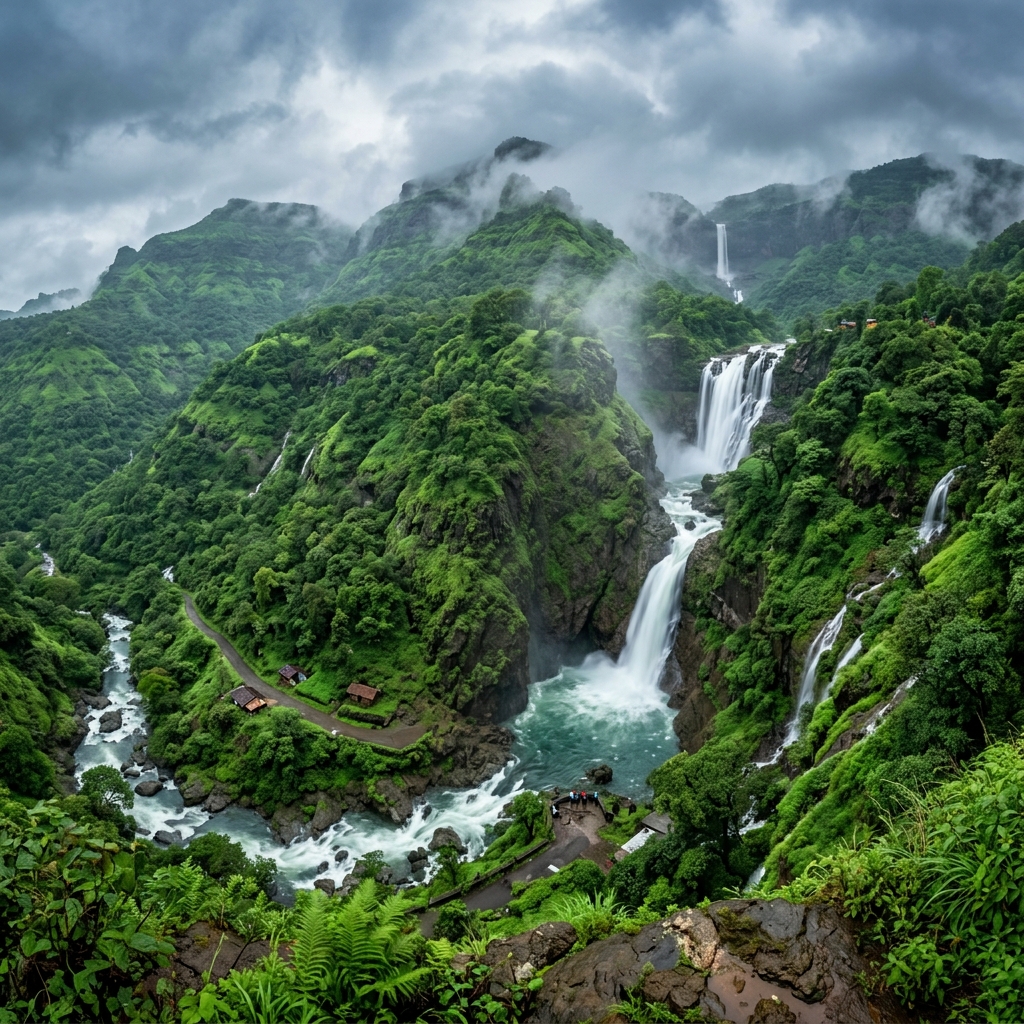
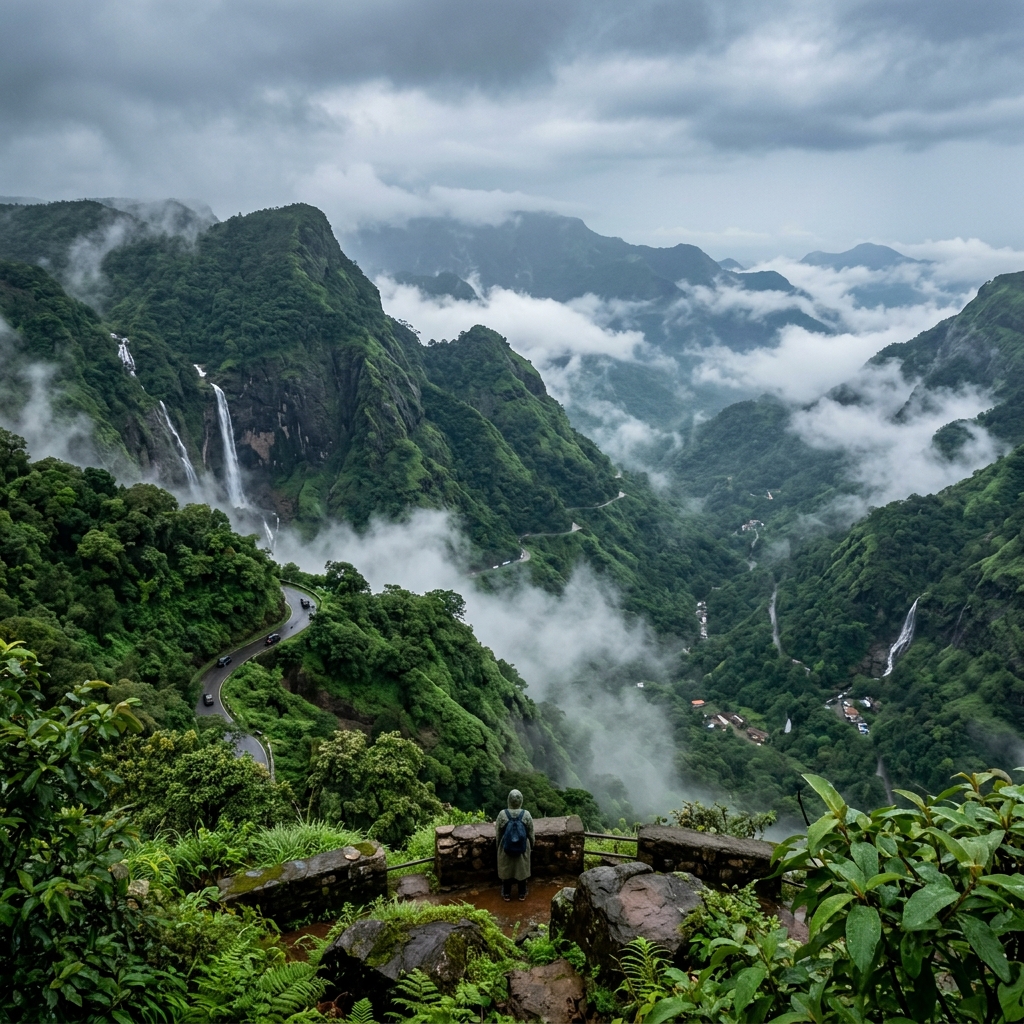
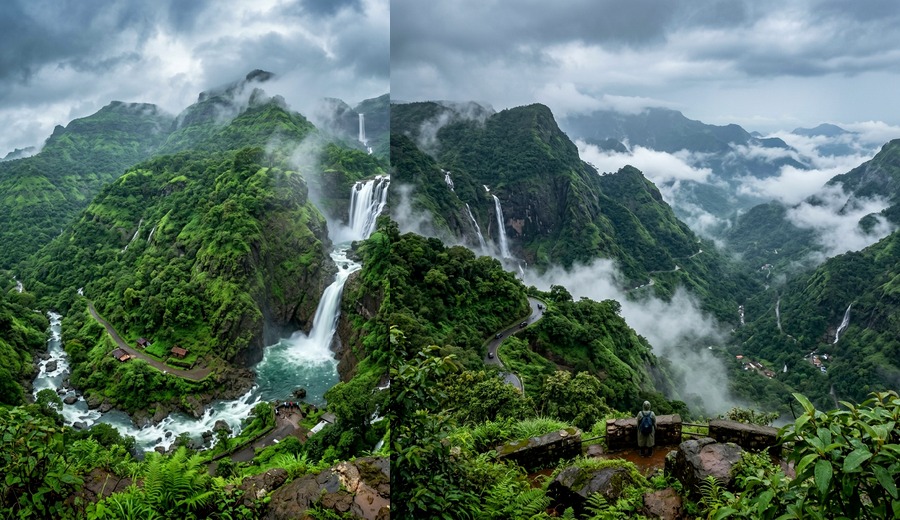
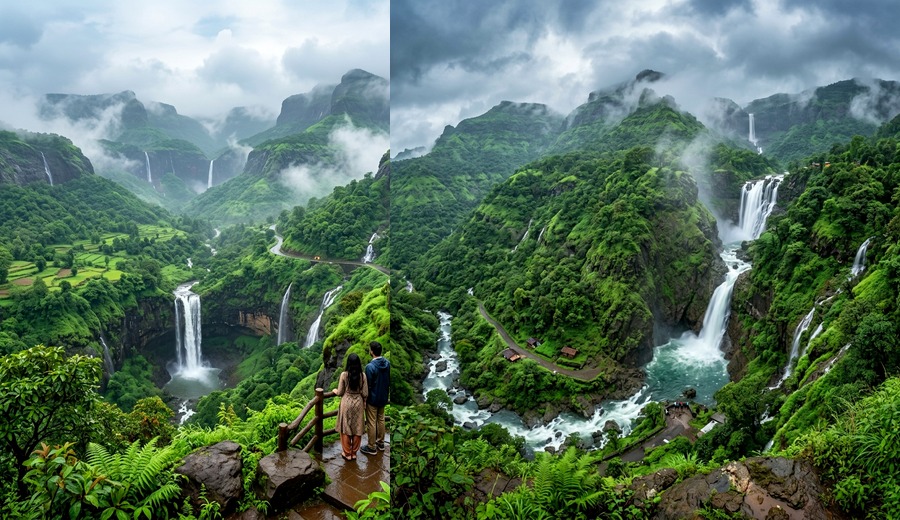
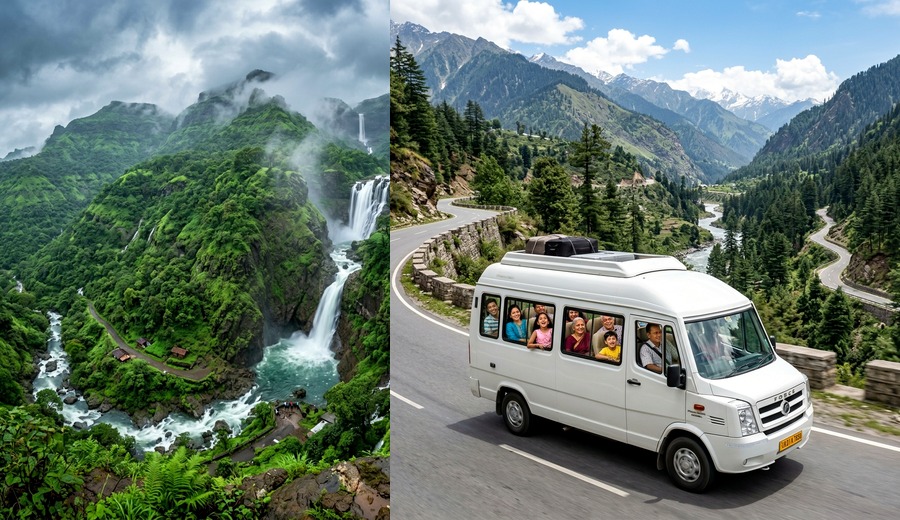
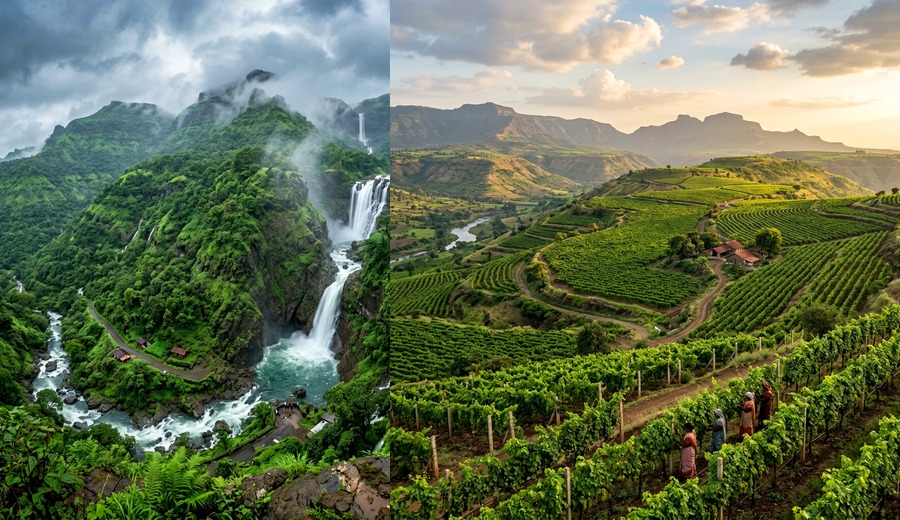
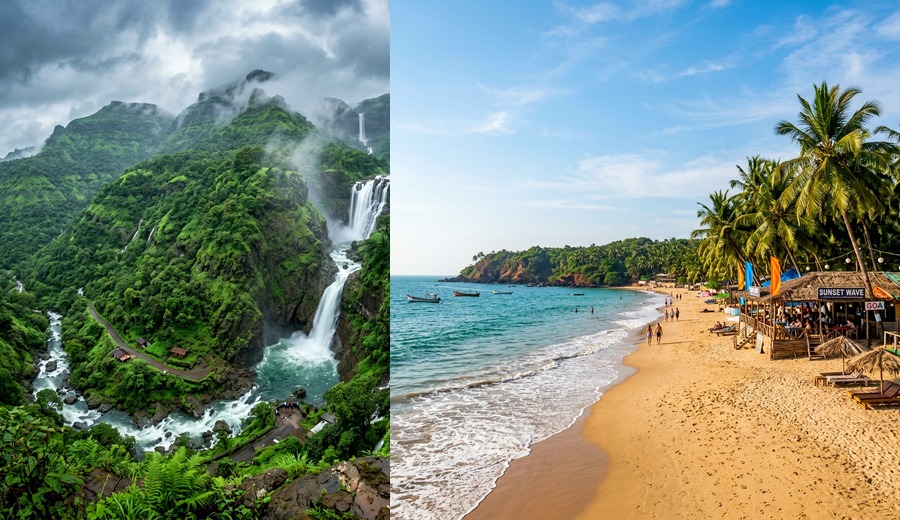
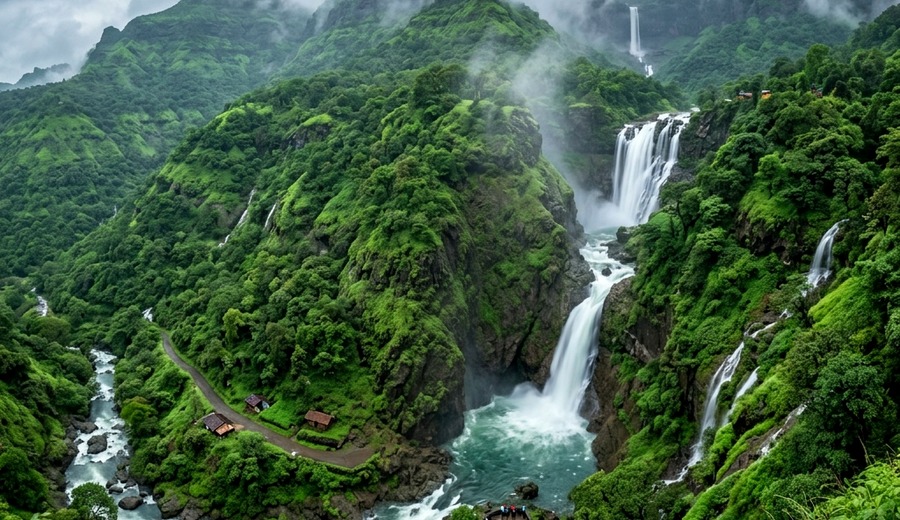
Experience the breathtaking waterfalls and lush green valleys
Imagica, Essel World & Water Kingdom Day Trips
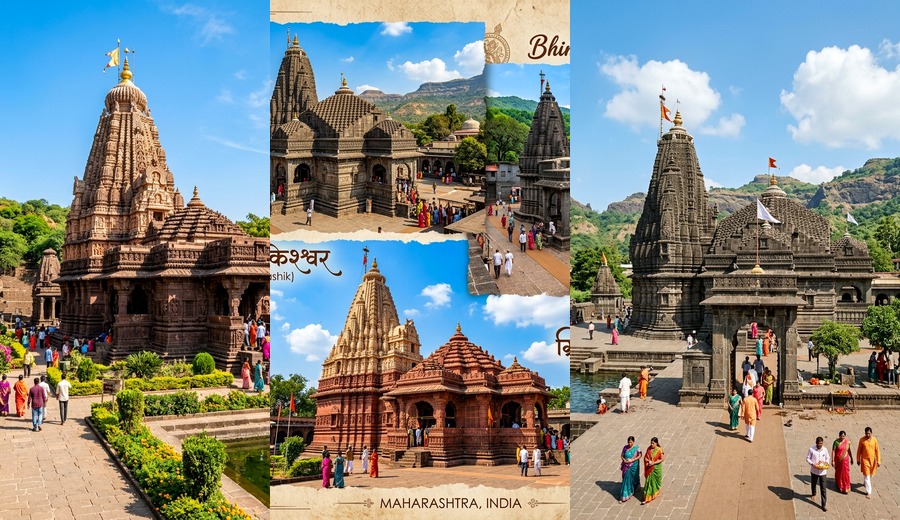
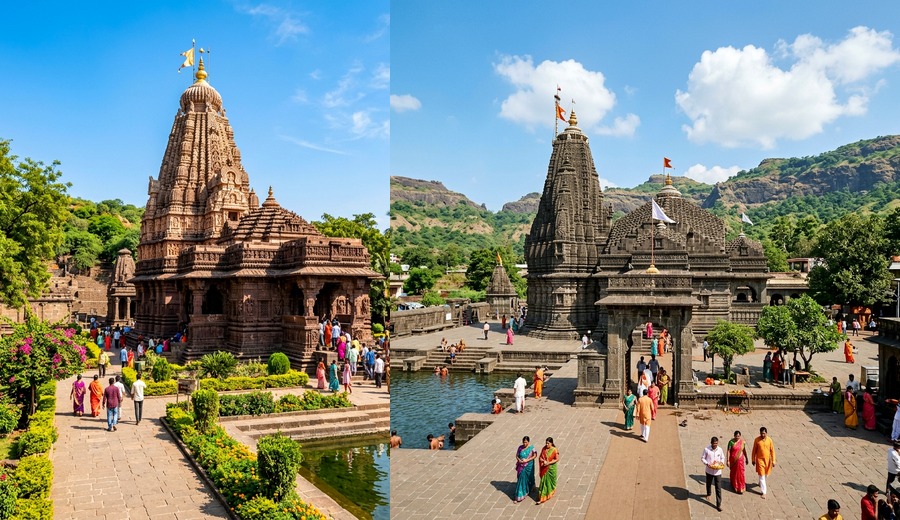


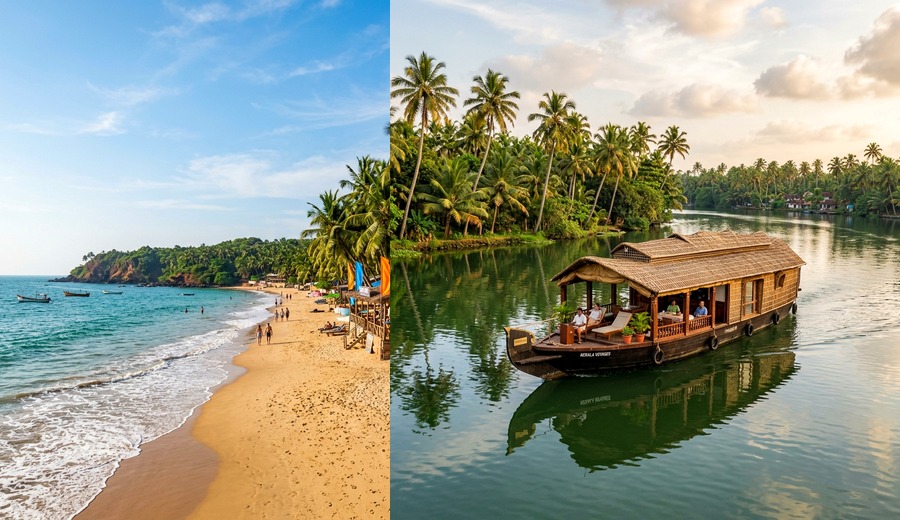
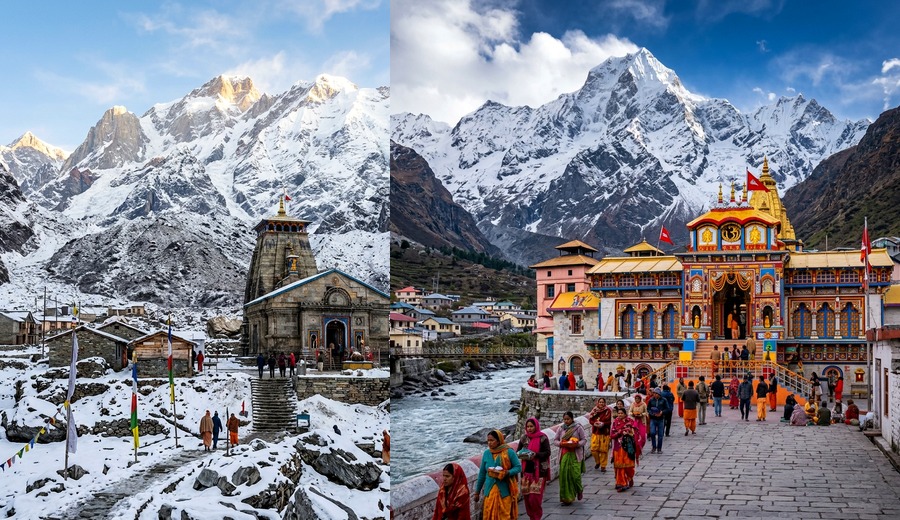
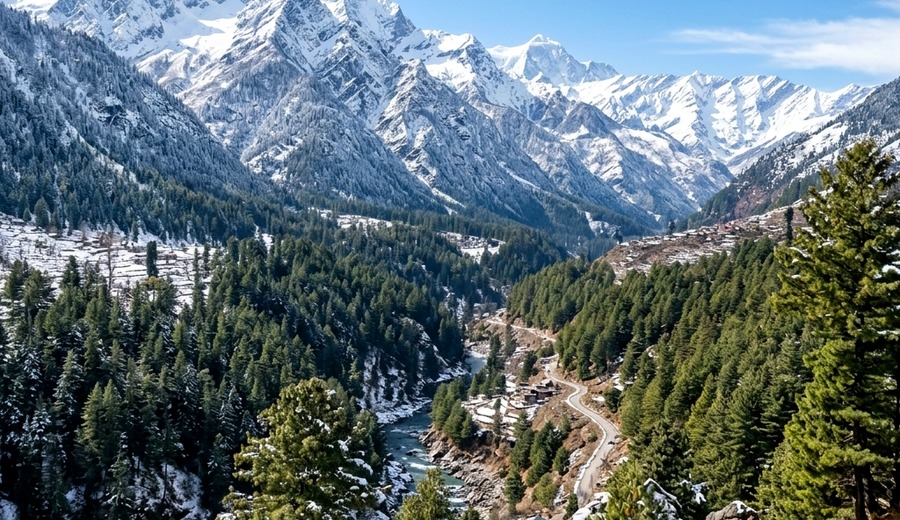
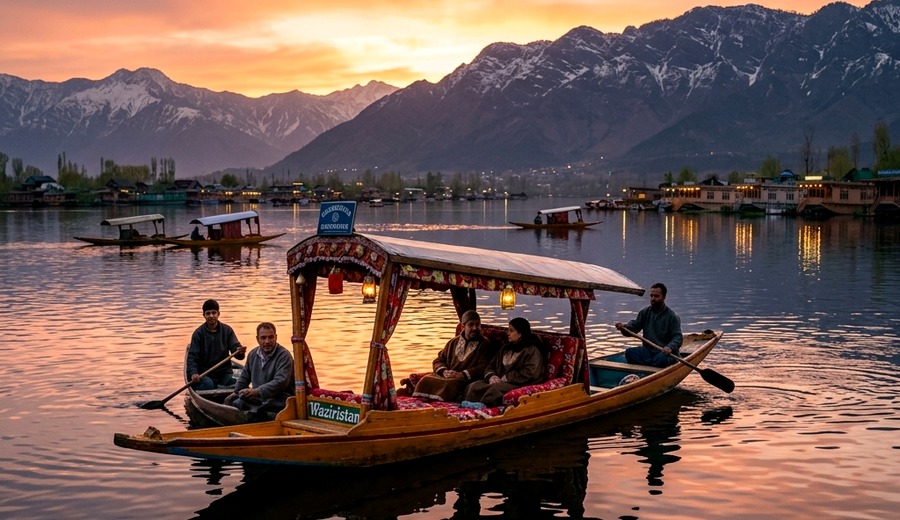
24*7
By Calling 9323000111 or via mobile application Download App or
website: shalinicabs.com
What is the pickup & drop range in
city taxi in Mumbai cities.
Mumbai M.M.R,D,A Region ,
Western Side Colaba to
Virar
Central Sise CST to Badlapur.,
CST to Panvel ,CST to Kalyan, CST to
Bhiwandi,
Specific fare. Refer fare chart.
YES
Yes 15% advance of billing.
Yes, You have to pay parking charge.
Yes, You have to pay toll charge.
NO
NO
Yes as per Specific fare. Refer fare chart.
NO
From booking time 15 minutes free after 15 minutes you will be charge Rs 3.00 per min
No pay bill only you have travel km
Cash, debitcard, credit card, paytm, google pay
Yes
5% charge on total billing
No
YES
First call the driver and simultaneously raise the same to customer support 9323000111
Yes, Call the Control Room No at : 9323000111
MUMBAI, PUNE, NASHIK
No
Book your ride faster
Available on
A dedicated 24x7 customer support team always at your service to help solve any problem.
Keep your loved ones informed about your travel routes or call emergency services when in need.
All our driver-partners are background verified and trained to deliver only the best experience.